>>

Soft, floral rosewater lokum with a tender, yielding chew and a snowy cornstarch coating — a traditional sweet perfect for gifting or pairing with coffee.
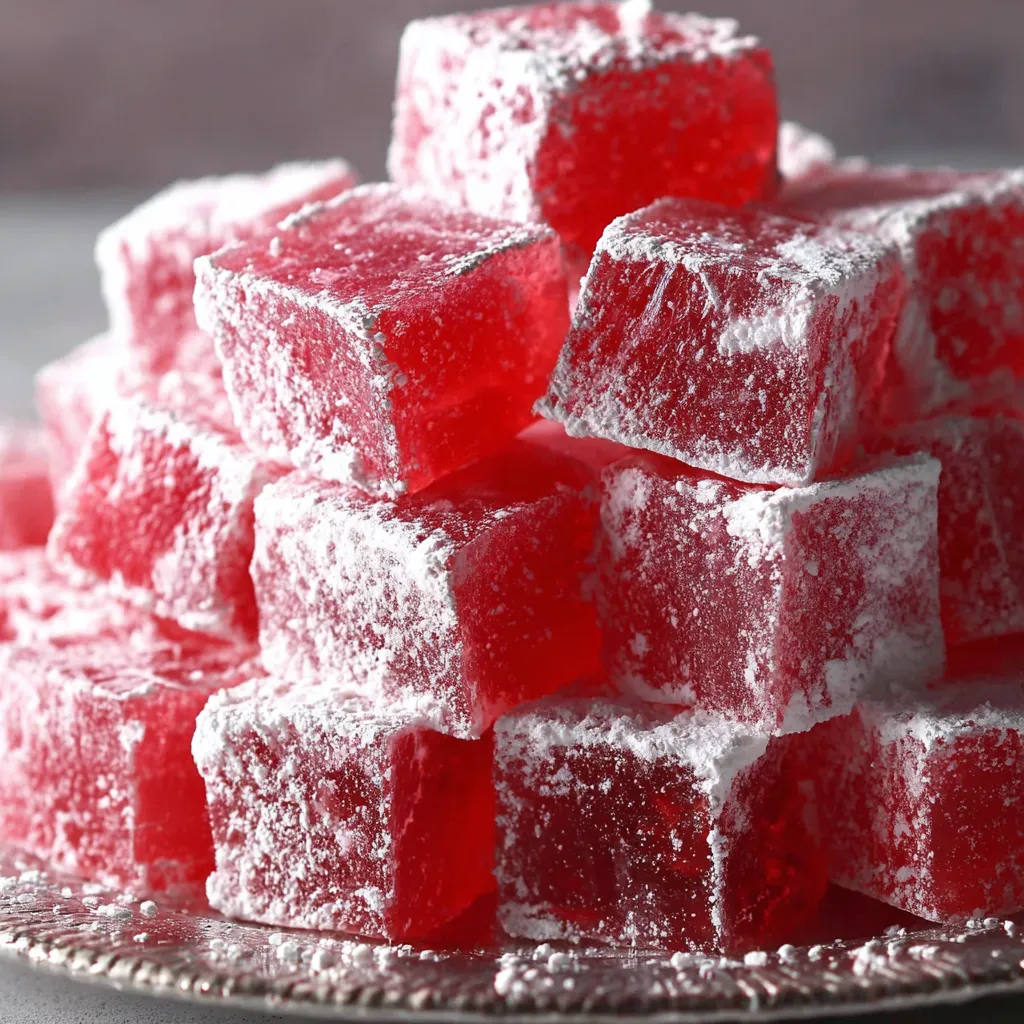
This Turkish delight is the version that first made me fall in love with simple confections. I discovered it on a rainy afternoon while leafing through a cookbook I inherited from my grandmother. The combination of glossy, translucent cubes perfumed with rosewater transformed a plain pantry list into something celebratory. The texture is the star: a gentle, yielding chew that gives way without being sticky, dusted in cornstarch and powdered sugar so each piece separates easily.
Making lokum taught me patience and reward. The long, slow simmer is meditative; the syrup darkening slowly on the stove becomes a kind of thermometer for success. I remember serving the very first tray at a small gathering and watching people close their eyes the first time they tasted it. The aroma of rosewater and the faint, nostalgic sweetness is why I return to this method again and again, whether for an afternoon treat or as a homemade gift wrapped in parchment and ribbon.
Over the years I have adapted small details to fit my kitchen. I now always oil the pan lightly and use a shallow mold so the boiling time is predictable. Family members ask for trays at holidays and I enjoy how quiet the room becomes when everyone tries their first piece. It is a simple confection that feels celebratory every time.
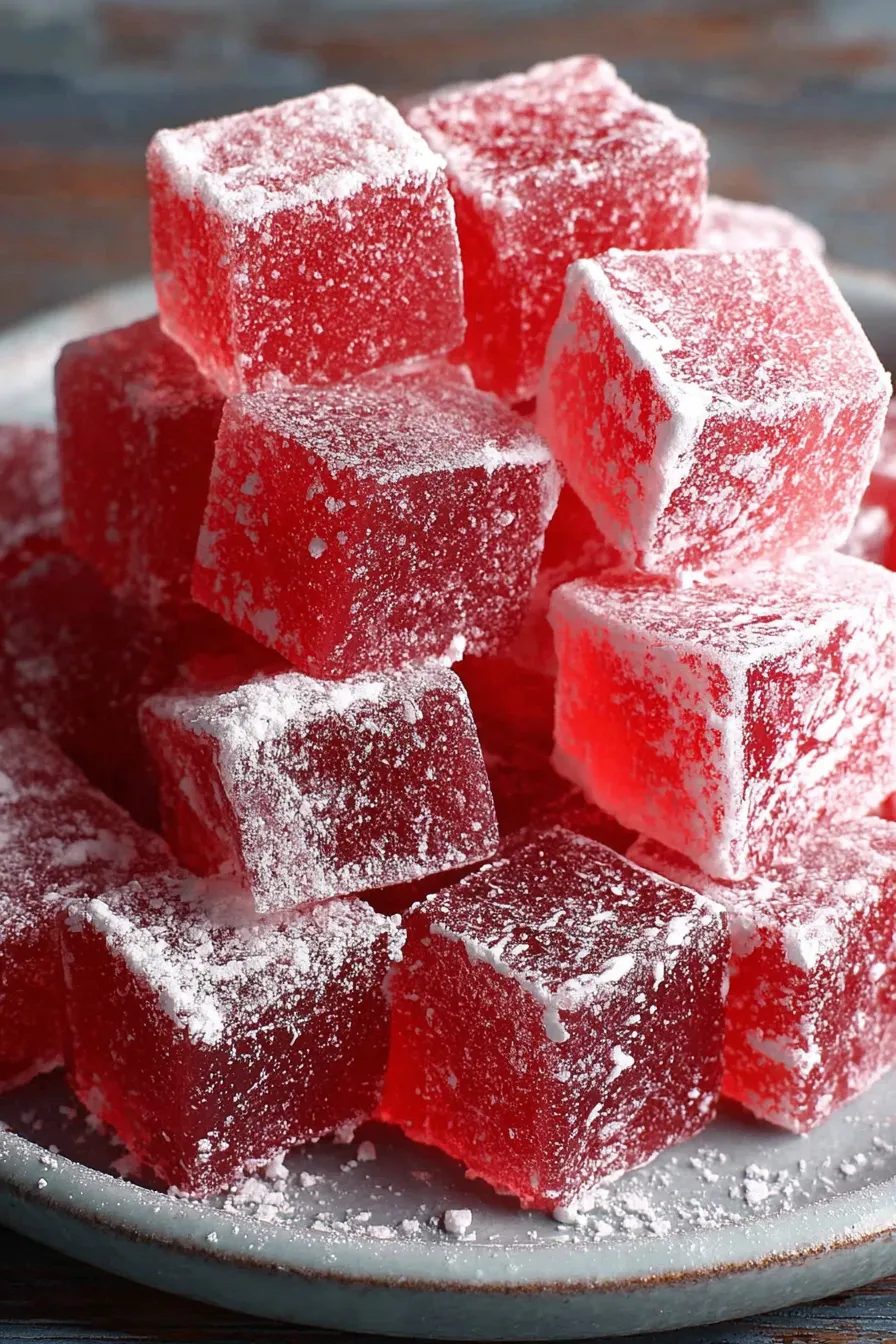
My favorite part of making this confection is the final dredging. The first time I shook the powdered cornstarch and sugar over bright red cubes I felt that same small thrill from childhood: turning raw ingredients into something giftable. Friends have told me they prefer this version to store-bought because of the clarity of flavor and tender texture. It is versatile for holidays, small celebrations, or a quiet afternoon indulgence.
Store the finished pieces in a cool, dry place in a single layer or separated with parchment to avoid fusing. Use an airtight tin or plastic container lined with paper towels to absorb residual moisture. Room temperature storage is best; refrigeration can introduce humidity and make the coating gummy. For longer storage freeze in a single layer on a tray until firm, then transfer to a sealed freezer bag. Thaw at room temperature and re-dredge if needed before serving.
If rosewater is not available use orange blossom water for a citrus floral note, adjusting to taste. Lemon juice can replace citric acid at a ratio of roughly 1 teaspoon for 1/4 teaspoon of citric acid, though the texture may vary slightly. Cornstarch is central to the texture; substituting with potato starch changes clarity and chew, so follow that route only if necessary. For a different flavor profile stir in a few teaspoons of pistachio paste or a pinch of ground cardamom after removing from heat.
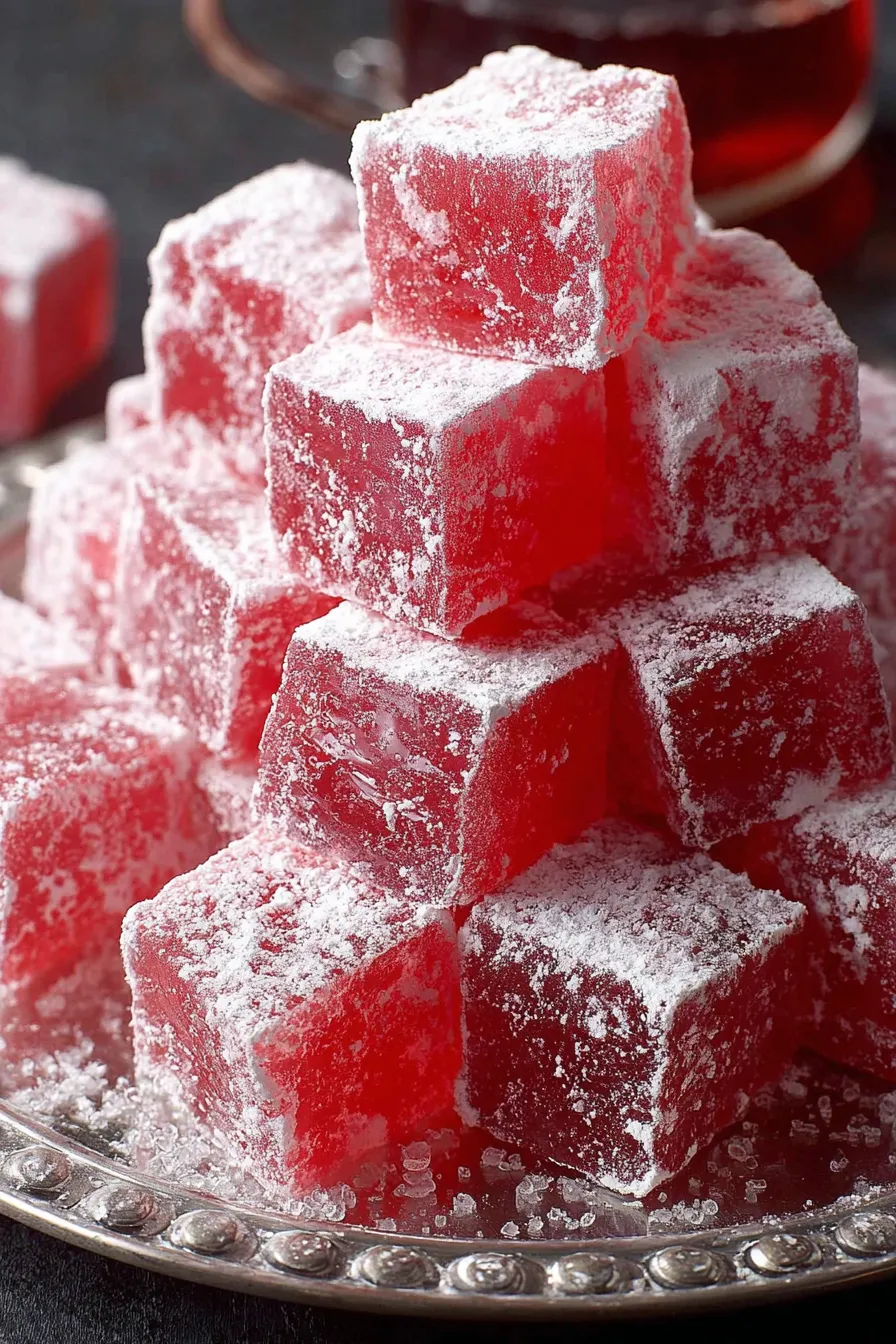
Serve pieces alongside strong, unsweetened coffee or black tea to balance the sweetness. For an elegant presentation, sandwich a cube between plain biscuits such as Biscoff or shortbread. Garnish plates with crushed pistachios or dried rose petals for a festive touch. Small boxes of lokum wrapped in parchment and tied with twine make thoughtful gifts at weddings and holidays.
Lokum, often known as Turkish delight, traces its roots to the Ottoman Empire and became widely popular in the 18th century. Traditionally flavored with rosewater, mastic, or citrus, it was sold in sweet shops across bazaars. The confection evolved from sugar-based syrups and starch jellies and reflects a tradition of nuanced, perfumed sweets in Middle Eastern and Mediterranean cultures.
For winter serve a cardamom-scented variation and top with toasted pistachios for warmth. In spring try a light lemon-rose version with pale pink coloring and a few drops of orange blossom water. For holidays make smaller bite-sized cubes and wrap individually in wax paper; these keep well and look beautiful arranged on a platter.
Prepare the slurry and measure all ingredients before heating to streamline the process. Use a heavy-bottomed pan for even heat distribution and a reliable candy thermometer for accuracy. Once set, cut and portion into small airtight containers for grab-and-go treats. Label with date and flavor notes if you make multiple batches for different events.
Making this confection rewards patience. The long simmer is worth it for the perfect chew and depth of flavor. I hope you enjoy making and sharing these fragrant, jewel-like pieces as much as my family does.
Dissolve the sugar completely before boiling to avoid graininess in the syrup.
Whisk the cornstarch slurry until lump-free and add it slowly to the syrup while whisking.
Stir more frequently toward the end of simmering to prevent burning and achieve the correct color.
Oil the mold lightly rather than lining with plastic to avoid creases on the surface.
Dredge generously to ensure pieces do not stick together during storage.
This nourishing turkish delight (lokum) — classic rosewater lokum recipe is sure to be a staple in your kitchen. Enjoy every moist, high protein slice — it is perfect for breakfast or as a wholesome snack any time.
Yes. Freeze on a tray until firm, then transfer to an airtight container for up to three months. Thaw at room temperature before dredging.
Use a heavy-bottomed saucepan and a reliable candy thermometer. If you do not have a thermometer, test by dropping a small amount into cold water and checking for a firm, but pliable, ball.
This Turkish Delight (Lokum) — Classic Rosewater Lokum recipe makes perfectly juicy, tender, and flavorful steak every time! Serve with potatoes and a side salad for an unforgettable dinner in under 30 minutes.
Combine sugar, citric acid, and 3/4 cup water in a heavy-bottomed pan and stir until all sugar is dissolved before heating.
Bring to a boil, then reduce to a simmer and cook with a candy thermometer until the syrup reaches 250 degrees Fahrenheit.
Whisk 1/2 cup plus 1 tablespoon cornstarch into 2 cups plus 5 teaspoons cold water until completely lump-free.
Remove the hot syrup from heat and whisk in the cornstarch slurry gradually to avoid lumps, returning to heat after mixing.
Cook on medium-low, whisking constantly until the mixture thickens to a gel-like texture and pulls from the pan sides.
Lower to a gentle simmer and stir every 6 to 7 minutes for 1 to 2 hours until the mixture reaches a medium-dark amber and thick, but not gluey, texture.
Turn off heat, stir in 1 1/2 teaspoons rosewater and 10 drops red coloring, then pour into an oiled 5 x 7 inch container and allow to set.
After at least 5 hours or preferably overnight, dust surface with 1/4 cup cornstarch, remove slab, cut into ~40 1-inch cubes, and toss in a mixture of 2/3 cup cornstarch and 1/3 cup powdered sugar.
Last Step: Please leave a rating and comment letting us know how you liked this recipe! This helps our business to thrive and continue providing free, high-quality recipes for you.
Leave a comment & rating below or tag
@yumelle on social media!

Juicy chicken meatballs baked with Parmesan and herbs, spooned with marinara, and covered in melty mozzarella on toasted slider rolls. Irresistible for parties.

Twirl eerie-colored spaghetti and top it with gooey, cheese-stuffed monster meatballs complete with olive eyes for a delightfully spooky family dinner.
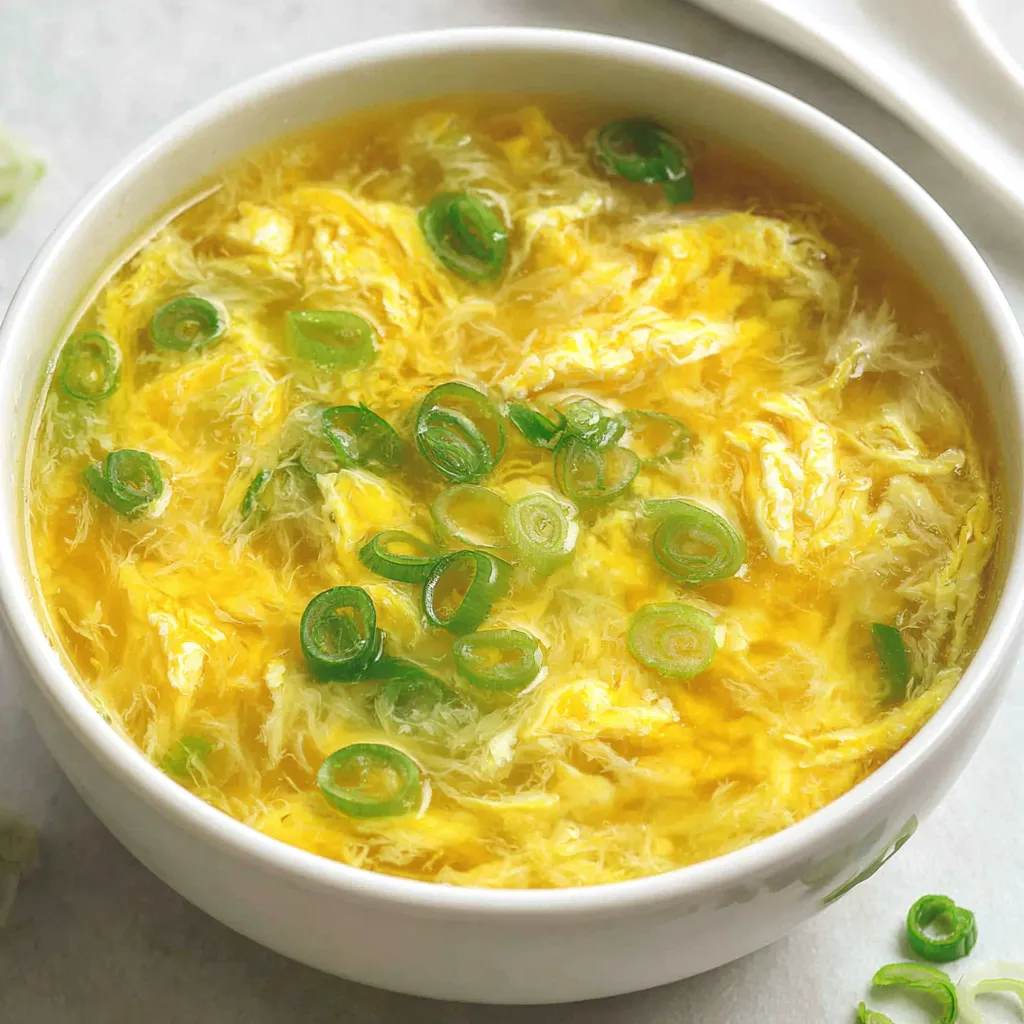
Silky egg ribbons swirl through savory chicken broth, scented with sesame and scallions. Simple pantry staples, ready in just 10 minutes.
Leave a comment & rating below or tag @yumelle on social media!
Enjoyed this recipe? Share it with friends and family, and don't forget to leave a review!
This recipe looks amazing! Can't wait to try it.
Comments are stored locally in your browser. Server comments are displayed alongside your local comments.

Join to receive our email series which contains a round-up of some of our quick and easy family favorite recipes.