>>

Sweet, savory glazed salmon inspired by a favorite steakhouse recipe—simple to make, ready in under 30 minutes, and perfect for weeknights or special dinners.
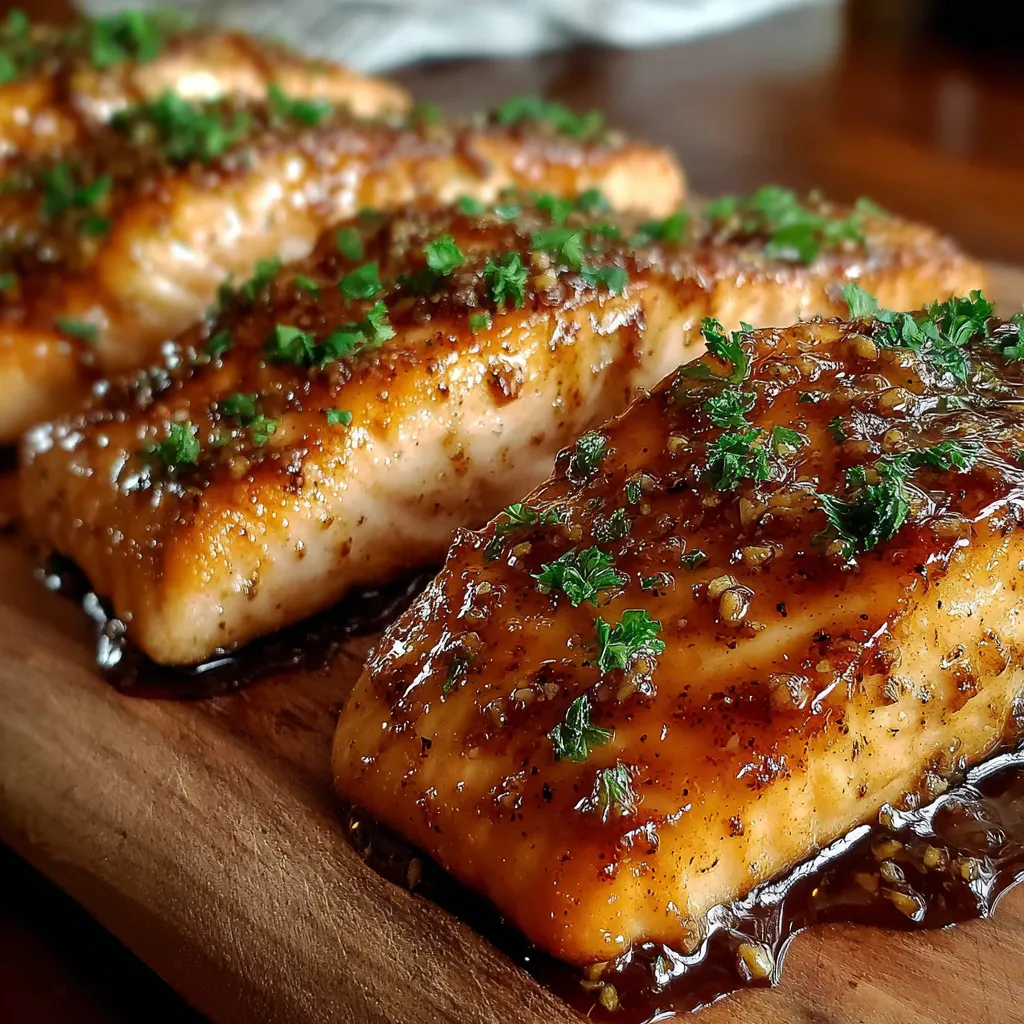
This brown sugar glazed salmon has been a weeknight favorite in my kitchen since I first recreated the Texas Roadhouse version on a rainy Saturday evening. I discovered the balance of sweet and savory while experimenting with pantry staples: packed brown sugar, a splash of soy sauce, a pat of butter, and a touch of honey. The glaze caramelizes gently in the oven, giving the salmon a glossy, slightly crisp finish while keeping the interior moist and flaky. My family remembers that night because the house smelled like a warm bakery crossed with the sea, and everyone reached for seconds.
I make this when I want something that feels restaurant-grade without hours of effort. The texture is the star: a pleasantly caramelized exterior that yields easily to a fork, revealing tender, succulent salmon beneath. This preparation highlights the fish’s natural richness while adding layers of flavor—sweetness, umami, gentle garlic warmth, and a hint of paprika for color. It’s the sort of recipe that travels well from casual dinners to celebratory meals, and it taught me how a few modest ingredients can transform simple fillets into something memorable.
I first served this to friends who came over on a hectic weeknight; they assumed I’d spent hours cooking. The truth was I used a few intentional techniques—patting the fish dry, glazing twice, and watching the internal temperature closely—and the result felt elevated. My kids loved the sweet edge and requested it for birthday dinners. It’s one of those recipes that earns compliments every time and teaches you how little twists yield big payoff.
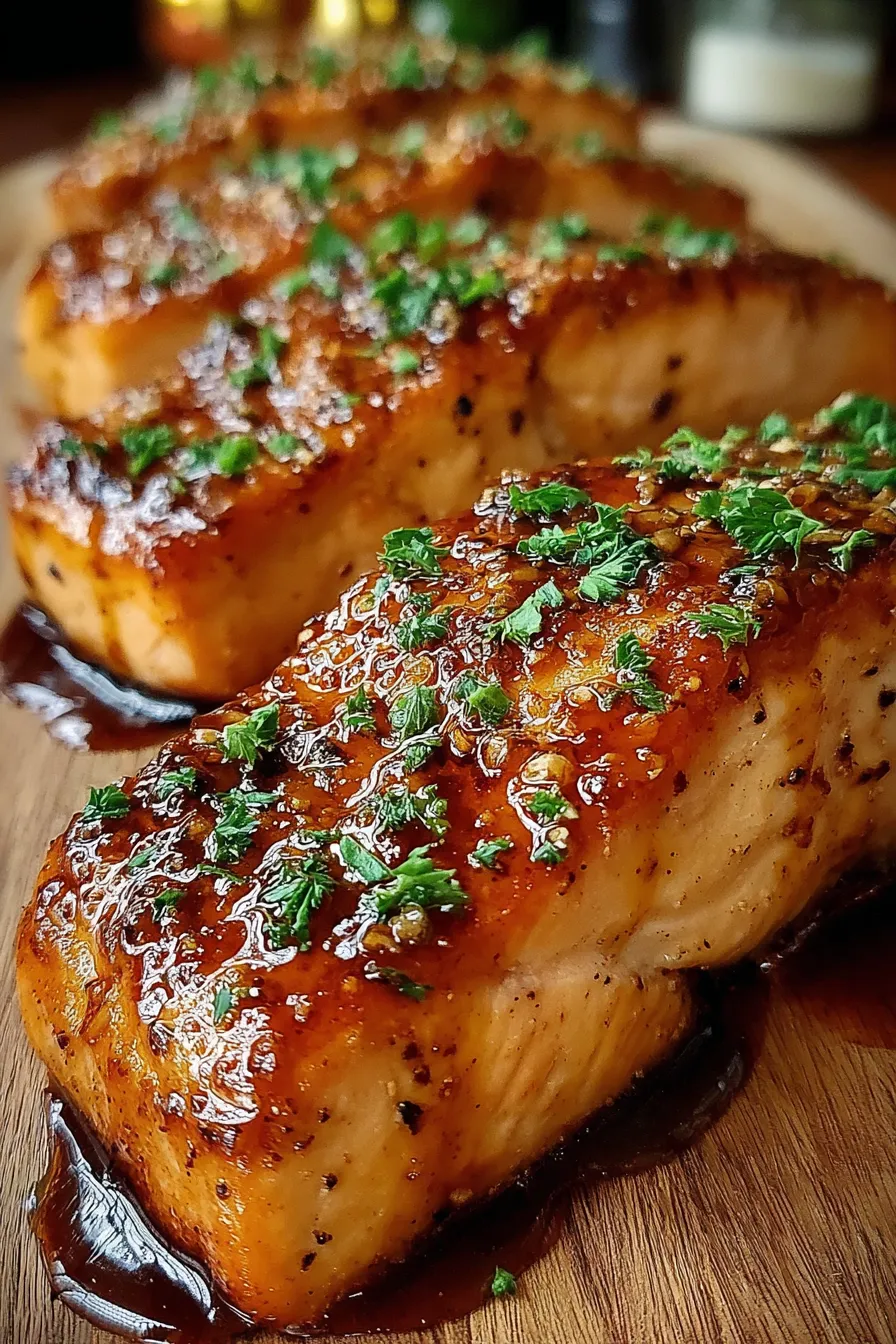
What I love most about this preparation is its reliability. Over many tests I learned that drying the fillets first and applying a two-stage glaze prevents the sugar from burning while still achieving that irresistible caramelization. Family and guests often comment on the glossy finish and balanced sweetness; it pairs beautifully with lemony greens or a simple pilaf. The recipe taught me how layering flavor at two stages makes a simple fish feel indulgent.
To keep the fillets at their best, cool them to room temperature no longer than two hours after cooking, then transfer to an airtight container and refrigerate. Consume within three days for optimal texture and flavor. For longer storage, freeze in single portions wrapped tightly in plastic wrap and then in foil or vacuum sealed bags; label with the date and use within three months. Reheat gently in a 275 degree Fahrenheit oven for 8 to 10 minutes covered with foil to prevent drying, or rewarm briefly in a skillet over low heat. Avoid microwave reheating which can make the glaze grainy and the fish rubbery.
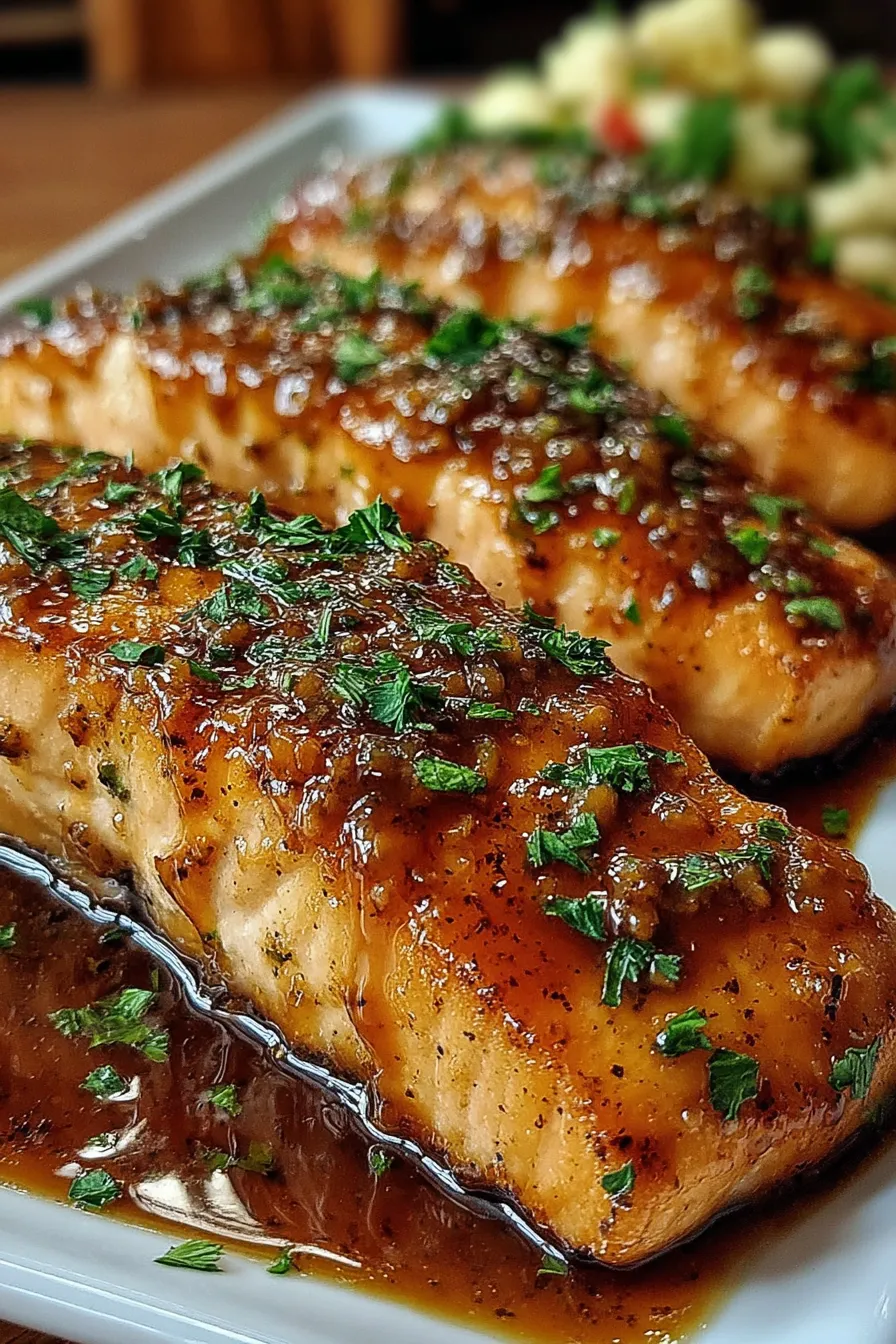
If you need to swap ingredients for dietary reasons, small changes deliver different but excellent results. Use tamari or coconut aminos instead of soy sauce for a gluten-free option; reduce additional salt since these alternatives can be salty. Replace butter with neutral oil or vegan butter for dairy-free diners; the oil will not brown the same way but still carries flavor. For a different sweetness, substitute maple syrup for honey, using the same amount. If you prefer less sugar, reduce brown sugar to 3 tablespoons and add a splash of lemon juice for brightness. Fresh minced garlic may be used instead of garlic powder but spread the glaze thinly to prevent raw bits from charring.
Serve the glazed salmon with steamed jasmine rice or a lemon-herb pilaf to soak up the glaze, and add a side of charred asparagus or roasted baby potatoes for texture contrast. A crisp green salad with a vinegar-forward dressing cuts through the sweetness nicely; try baby arugula, shaved fennel, and a citrus vinaigrette. Garnish with lemon wedges for an optional bright squeeze. For special occasions, plate over creamy mashed cauliflower or wild rice pilaf and top with toasted sesame seeds for extra crunch.
Sweet glazes on fish are a widespread technique found in many coastal cuisines where sugar or syrups create a caramelized crust. This particular brown sugar-soy combination reflects both American steakhouse influences and Asian umami flavors. Restaurants like Texas Roadhouse popularized bold, sweet-savory glazes alongside hearty mains, adapting familiar pantry flavors to seafood. The method of glazing twice—partway through and again before finishing—mirrors professional techniques used to build layers of flavor without risking burnt sugar.
In spring and summer, brighten the dish with fresh lemon zest and a salsa of diced tomatoes, cucumber, and herbs. In cooler months, swap parsley garnish for chopped chives or tarragon and serve with roasted root vegetables and a drizzle of browned butter for warmth. During holidays you can scale up with more fillets and a larger glazed pan; add roasted citrus halves to the baking sheet to infuse the dish with bright aroma. Small changes like swapping honey for maple or adding a pinch of cayenne make this suitable year-round.
For efficient meal prep, make the glaze in advance and store it in a jar in the refrigerator for up to five days. Trim and portion the fillets, then assemble on the baking sheet and cover with plastic wrap; keep chilled until ready to bake. If preparing for lunches, cook the fillets, cool completely, and portion with grains and steamed vegetables into airtight containers. Reheat gently in the oven to preserve texture, and add fresh parsley or lemon just before serving to revive flavors.
This glaze is proof that a handful of thoughtful techniques and simple ingredients can elevate a modest piece of fish into a show-stopping main. I encourage you to make it your own—adjust sweetness, swap a seasoning, and serve it for both ordinary nights and memorable celebrations. Cooking is about pleasure and sharing, and this recipe delivers both with ease.
Pat the fillets dry before glazing so the glaze adheres and caramelizes instead of steaming.
Use an instant-read thermometer and remove salmon at 145°F to ensure moist, safe fish.
Brush glaze twice—once before baking and once mid-way—to build flavor and a glossy finish.
Line the baking sheet with parchment to prevent sticking and make cleanup faster.
This nourishing texas roadhouse brown sugar salmon recipe is sure to be a staple in your kitchen. Enjoy every moist, high protein slice — it is perfect for breakfast or as a wholesome snack any time.
Yes. Use tamari or coconut aminos in a 1:1 ratio for gluten-free soy sauce alternatives.
Reheat gently in a 275°F oven for about 8 to 10 minutes covered with foil to avoid drying out.
This Texas Roadhouse Brown Sugar Salmon recipe makes perfectly juicy, tender, and flavorful steak every time! Serve with potatoes and a side salad for an unforgettable dinner in under 30 minutes.
Preheat oven to 400°F. Line a rimmed baking sheet with parchment paper. Pat salmon fillets dry with paper towels to ensure the glaze adheres and the surface can caramelize.
In a mixing bowl whisk together brown sugar, soy sauce, melted butter, honey, garlic powder, black pepper, and paprika until smooth. Allow a minute for sugar to dissolve for a glossy texture.
Arrange fillets skin-side down on the prepared sheet. Brush tops and sides with half of the glaze, ensuring even coverage without pooling beneath the fillets.
Bake on the center rack for 8 minutes to begin cooking the interior and set the glaze. The edges will firm and the glaze will look matte before the second application.
Remove from oven, brush remaining glaze over tops, then return to oven for 8 to 10 minutes more, or until fillets flake easily and internal temperature reaches 145°F.
Rest the fillets for 2 minutes on the baking sheet, garnish with chopped parsley, and serve while hot to enjoy the contrast of caramelized exterior and tender interior.
Last Step: Please leave a rating and comment letting us know how you liked this recipe! This helps our business to thrive and continue providing free, high-quality recipes for you.
Leave a comment & rating below or tag
@yumelle on social media!
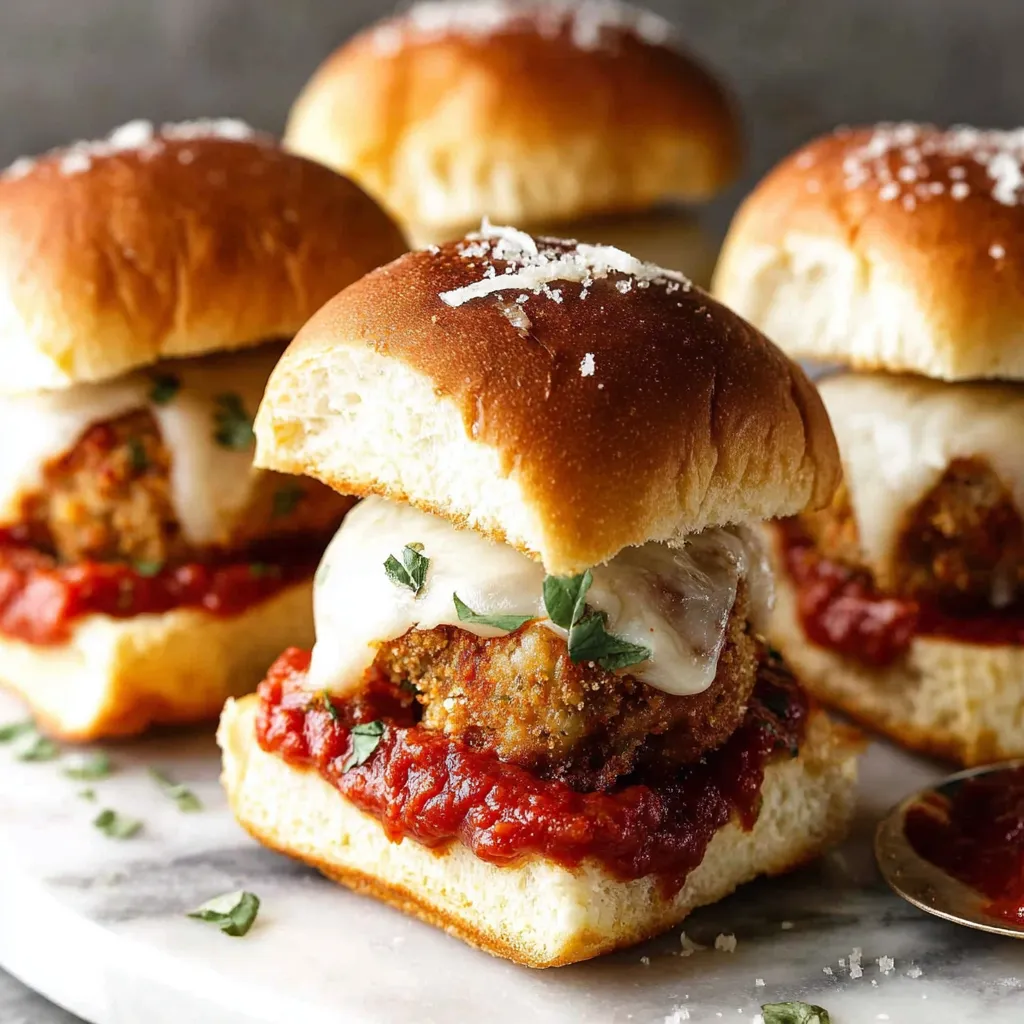
Juicy chicken meatballs baked with Parmesan and herbs, spooned with marinara, and covered in melty mozzarella on toasted slider rolls. Irresistible for parties.
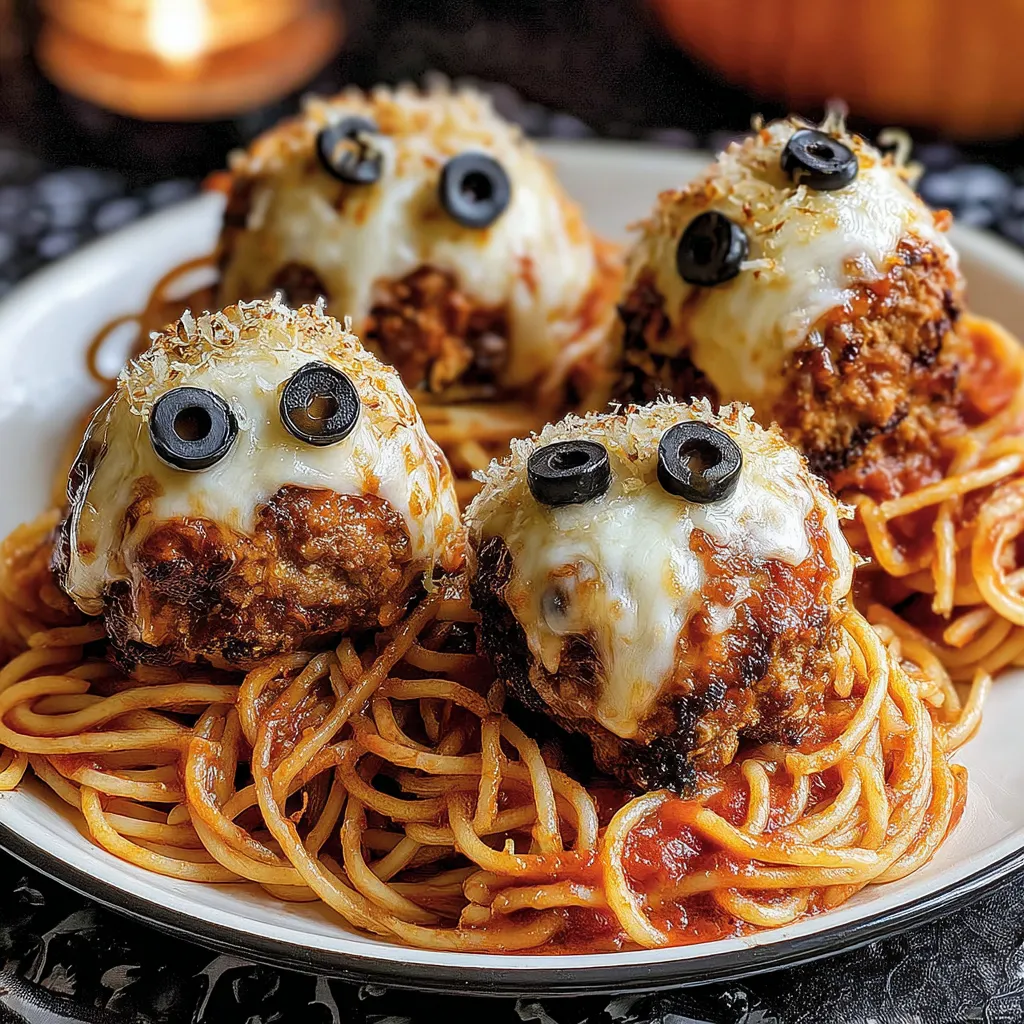
Twirl eerie-colored spaghetti and top it with gooey, cheese-stuffed monster meatballs complete with olive eyes for a delightfully spooky family dinner.

Silky egg ribbons swirl through savory chicken broth, scented with sesame and scallions. Simple pantry staples, ready in just 10 minutes.
Leave a comment & rating below or tag @yumelle on social media!
Enjoyed this recipe? Share it with friends and family, and don't forget to leave a review!
This recipe looks amazing! Can't wait to try it.
Comments are stored locally in your browser. Server comments are displayed alongside your local comments.

Join to receive our email series which contains a round-up of some of our quick and easy family favorite recipes.