>>

Tender pork medallions seared to golden perfection and simmered in a rich, creamy white wine pan sauce — a weeknight favorite that feels special.
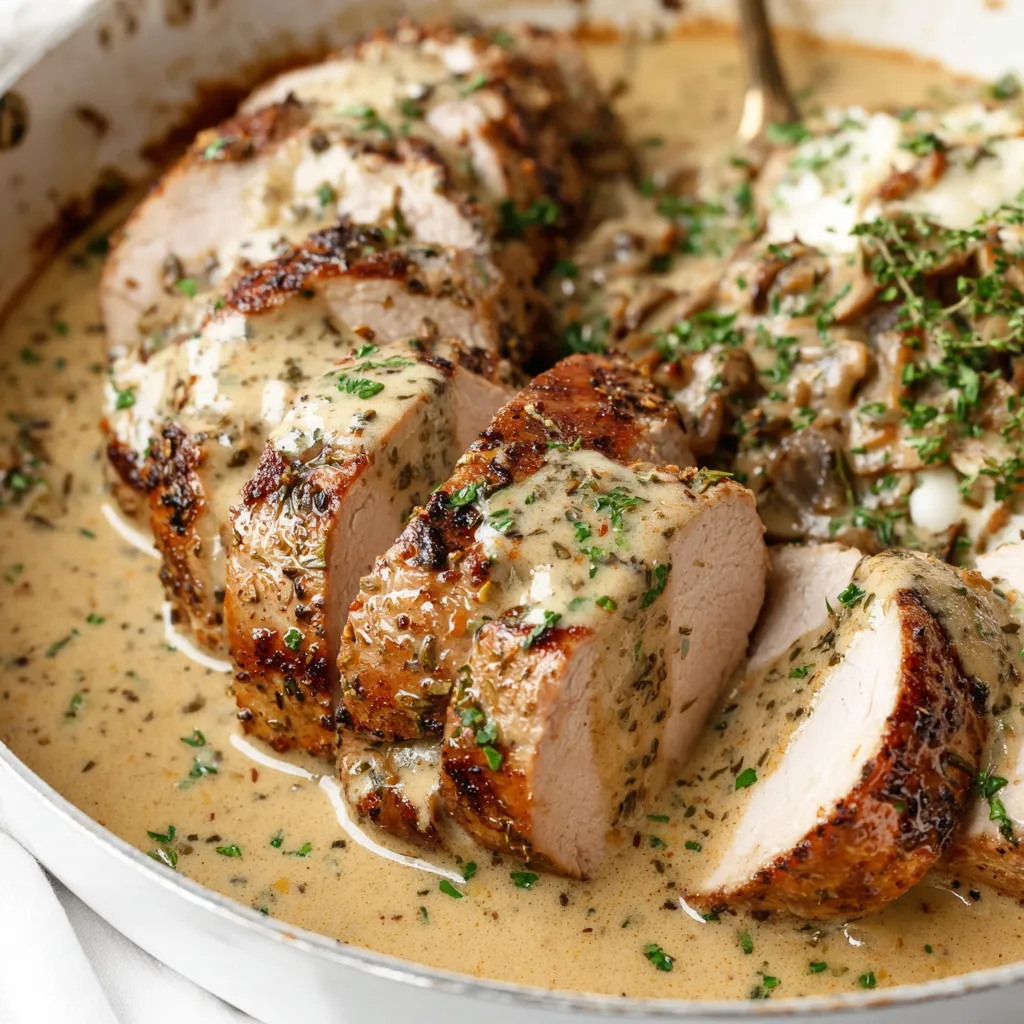
This dish is one of those weeknight winners that somehow manages to feel both effortless and celebratory. I first made this creamy white wine pork tenderloin on a chilly Friday evening when the pantry was modest and I wanted something that smelled indulgent without too much fuss. The combination of a quick, high-heat sear and a silky cream-and-wine sauce transforms simple pork medallions into something that feels like a restaurant course. The texture is what I love most: golden edges giving way to juicy, slightly pink centers, all wrapped in a glossy, richly flavored sauce.
I discovered the recipe while adapting a favorite chicken skillet dish to pork tenderloin, and it immediately became a rotation staple. It’s the kind of meal my family asks for on busy nights and one I bring to small dinner gatherings because it’s comforting, adaptable, and pairs beautifully with quick sides. The sauce has a bright kiss from the dry white wine and garlic, rounded out by heavy cream and a touch of butter for shine. Sprinkle with fresh parsley, and you’ve got an elegant dish with minimal effort.
When I first served this to friends, they kept going back to the pan to spoon extra sauce onto their plates — that’s the kind of feedback that makes a simple skillet supper feel like a success. My kids liked the mild creaminess, while my partner noticed the wine’s background brightness. It’s become my go-to when I want to impress with minimal cleanup.
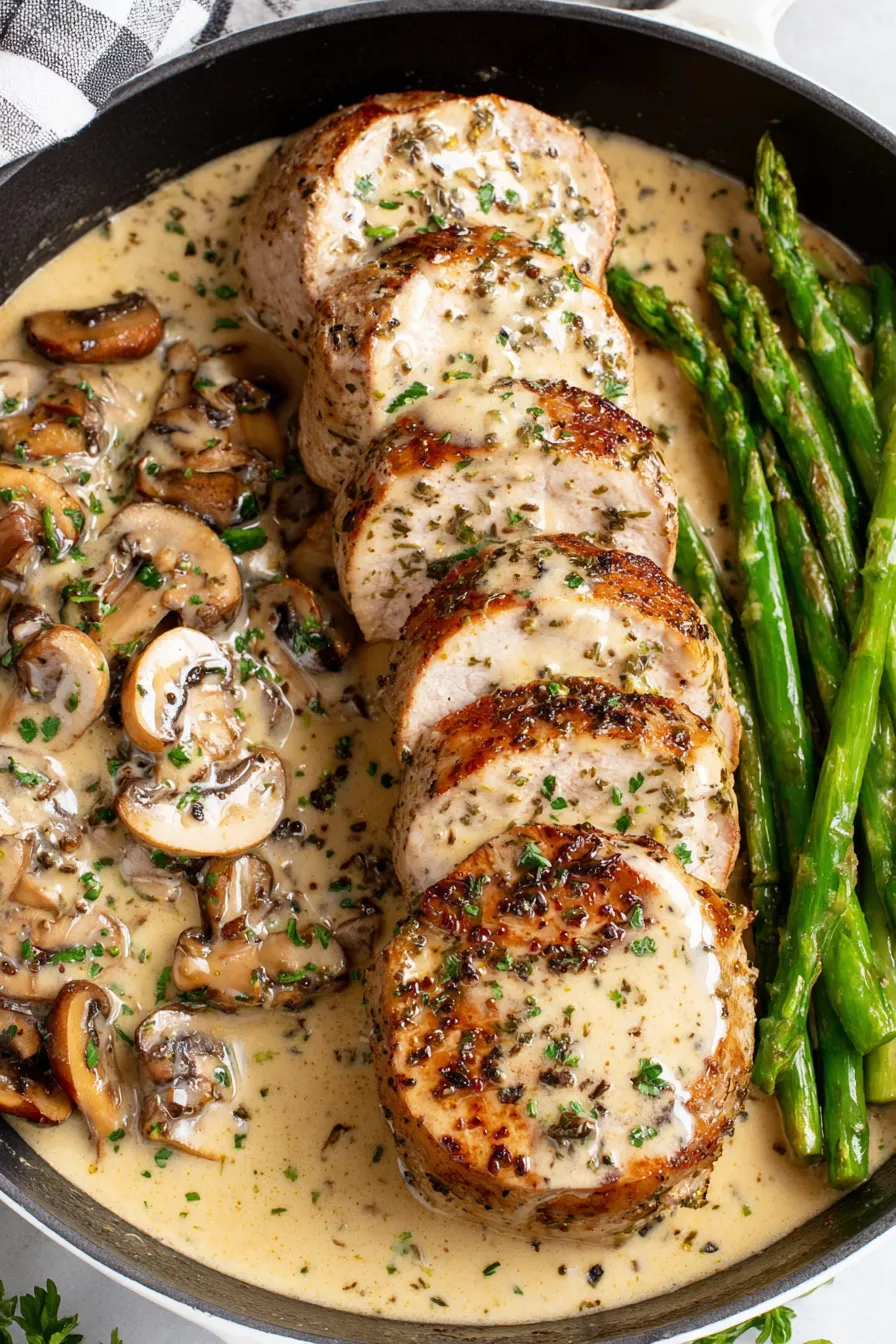
One of my favorite parts of making this is how quickly the kitchen smells like dinner-worthy comfort. The reductive step — letting the wine concentrate — is the secret to depth; don’t rush it. I often double the sauce for guests because everyone wants extra spooned over mashed potatoes or crusty bread.
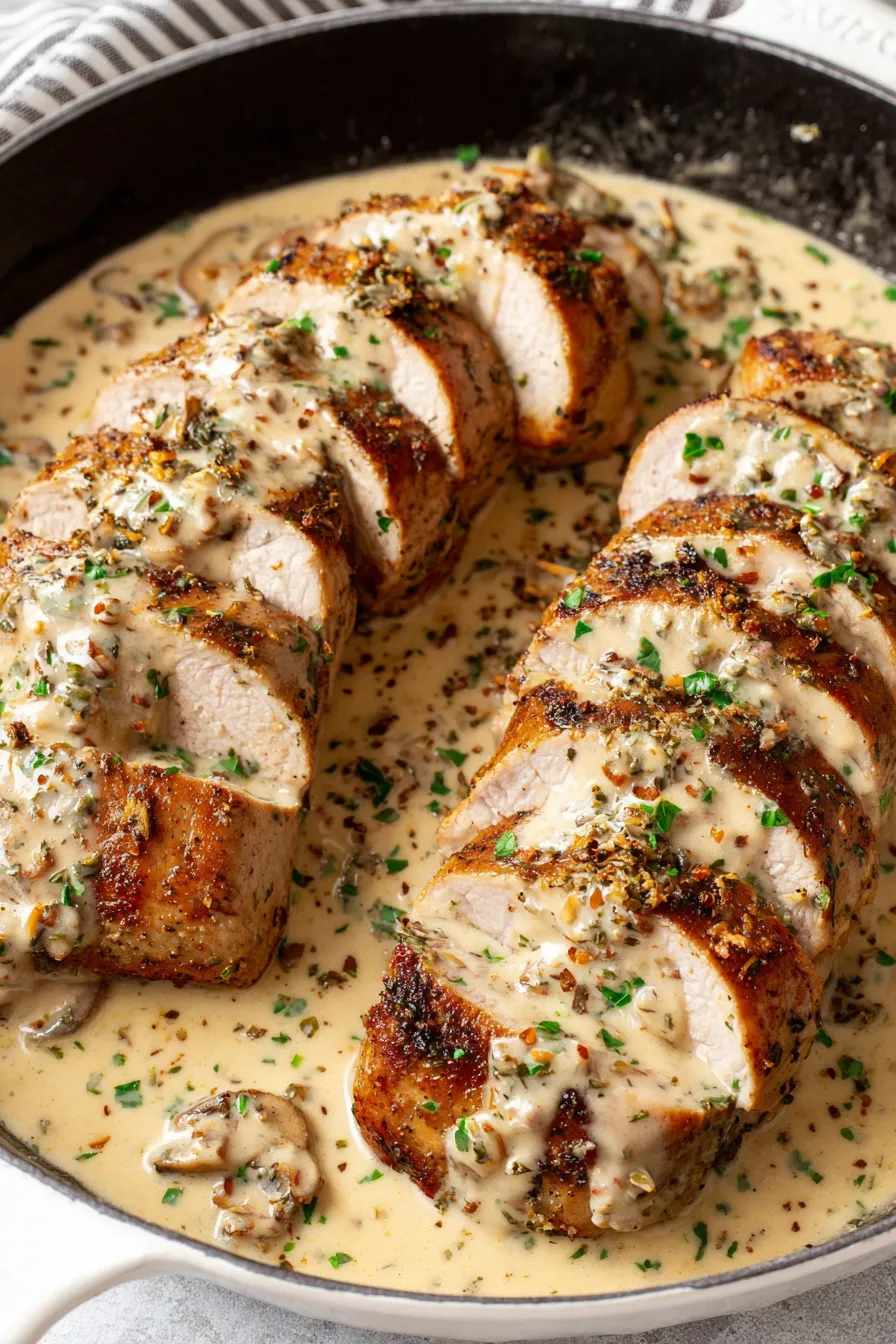
Store cooled leftovers in an airtight container in the refrigerator for up to three days. If you plan to freeze, separate the sauce from the pork to preserve texture; freeze pork medallions on a tray until firm, then transfer to a sealed bag for up to three months. Thaw overnight in the refrigerator and reheat gently in a skillet with a splash of chicken broth to refresh the sauce. Reheat slowly over low heat to prevent the cream from breaking; a short blast in the microwave covered with a damp paper towel also works if you’re careful.
If you don’t have heavy cream, use 1 cup half-and-half plus 1 tablespoon butter for a lighter finish, though the sauce will be less rich. For a dairy-free version, substitute canned full-fat coconut milk and reduce the coconut flavor by adding a squeeze of lemon; note this will change the taste profile. If avoiding cornstarch, whisk 1 tablespoon all-purpose flour with a bit of cold water to make a slurry, but remember that introduces gluten. For wine-free cooks, substitute 1/2 cup additional chicken broth plus 1 tablespoon white wine vinegar to mimic acidity.
Serve with creamy mashed potatoes, buttered egg noodles, or a simple risotto to catch every drop of sauce. Steamed green beans or roasted Brussels sprouts add textural contrast and brightness. For a lighter plate, place pork atop a bed of lemony arugula salad and spoon warm sauce around the edges. Garnish with extra parsley and a crack of fresh black pepper for visual appeal and fresh flavor.
This style of pan-seared meat with a wine-and-cream sauce is rooted in European bistro cooking, where quick reductions and butter or cream enrich simple proteins. While the exact combination isn’t tied to one region, it borrows from French technique — deglazing with wine, reducing, and mounting with cream — adapted here to American home cooking sensibilities: quicker, smaller portion sizes, and accessible ingredients.
In spring, swap parsley for tarragon and add a squeeze of lemon for brightness. In autumn, stir in a teaspoon of Dijon mustard and finish with chopped fresh sage for an earthy note. Summer preparations work well with a light tomato concassé stirred into the pan for freshness. These small seasonal tweaks keep the dish feeling current while retaining the core technique.
For meal prep, sear and portion pork medallions, then store in shallow airtight containers with separate compartments for sauce and sides. Make several batches of sauce and freeze in ice cube trays for single-serving reheats. When reheating, warm sauce slowly and return medallions to the pan for a minute to refresh their exterior. Containers that nest and microwave safely will streamline weekday dinners.
This creamy white wine pork tenderloin is one of those recipes that builds confidence: a handful of technique-driven steps and the reward is a truly satisfying plate. It’s reachable for new cooks but polished enough to bring to friends — and it always leaves room for improvisation. Make it yours, and don’t be surprised if it becomes a regular on your table.
Pat pork dry before searing to ensure a golden crust and less steam in the pan.
Reduce the wine until it’s concentrated by more than half to avoid a thin or overly alcoholic sauce.
Mix cornstarch with cold water first to prevent lumps and add it slowly while stirring to control thickness.
Sear in batches if necessary so the pan isn’t crowded; crowding causes steaming rather than browning.
If the sauce tastes too sharp, finish with a small knob of butter to round flavors and add shine.
This nourishing creamy white wine pork tenderloin recipe is sure to be a staple in your kitchen. Enjoy every moist, high protein slice — it is perfect for breakfast or as a wholesome snack any time.
Allow the seared pork to rest briefly after searing; this preserves juices and prevents overcooking when finishing in the sauce.
Yes—use a dry, crisp white wine like Sauvignon Blanc or Pinot Grigio. Avoid sweet wines as they will alter the sauce balance.
This Creamy White Wine Pork Tenderloin recipe makes perfectly juicy, tender, and flavorful steak every time! Serve with potatoes and a side salad for an unforgettable dinner in under 30 minutes.
Trim silver skin and excess fat from the tenderloin. Slice into 1-inch-thick rounds, pat dry, and season both sides with salt and pepper.
Heat a skillet over medium-high, add olive oil and butter. When hot, sear pork in a single layer 3 minutes per side until golden. Transfer to a plate and tent with foil.
Lower heat to medium, add minced garlic and Italian seasoning; sauté briefly. Pour in white wine and chicken broth, scraping browned bits, and reduce until more than half evaporates (3–5 minutes).
Stir cornstarch with cold water until smooth. Add cream to pan, then whisk in the slurry. Bring to a gentle simmer while stirring to thicken.
Return pork to skillet, simmer 3–5 minutes until cooked through and sauce has thickened. Adjust seasoning, sprinkle parsley, and serve immediately.
Last Step: Please leave a rating and comment letting us know how you liked this recipe! This helps our business to thrive and continue providing free, high-quality recipes for you.
Leave a comment & rating below or tag
@yumelle on social media!

Juicy chicken meatballs baked with Parmesan and herbs, spooned with marinara, and covered in melty mozzarella on toasted slider rolls. Irresistible for parties.

Twirl eerie-colored spaghetti and top it with gooey, cheese-stuffed monster meatballs complete with olive eyes for a delightfully spooky family dinner.

Silky egg ribbons swirl through savory chicken broth, scented with sesame and scallions. Simple pantry staples, ready in just 10 minutes.
Leave a comment & rating below or tag @yumelle on social media!
Enjoyed this recipe? Share it with friends and family, and don't forget to leave a review!
This recipe looks amazing! Can't wait to try it.
Comments are stored locally in your browser. Server comments are displayed alongside your local comments.

Join to receive our email series which contains a round-up of some of our quick and easy family favorite recipes.