
Creamy Stovetop Mac and Cheese with Old-School Comfort

A velvety, old-school stovetop mac and cheese with sharp cheddar and cream cheese for an irresistibly creamy, nostalgic dinner ready in about 30 minutes.
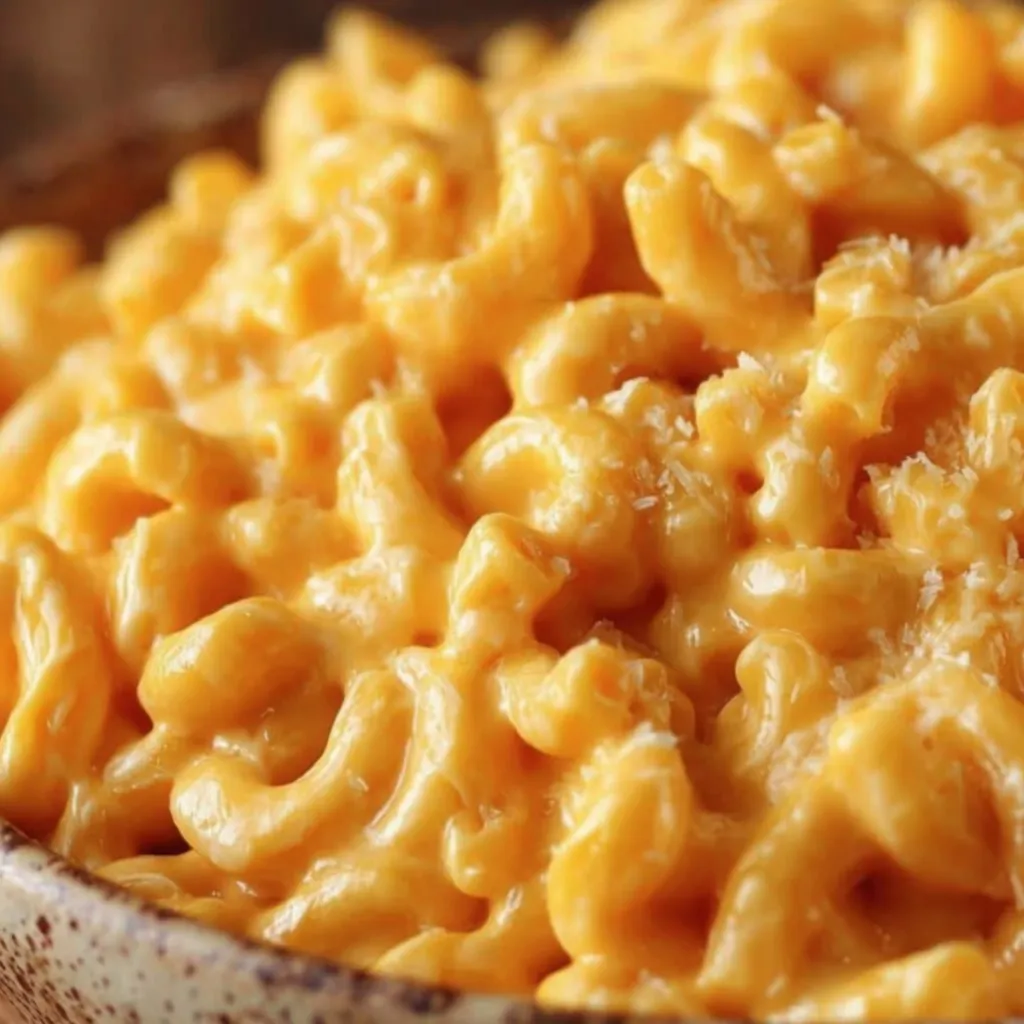
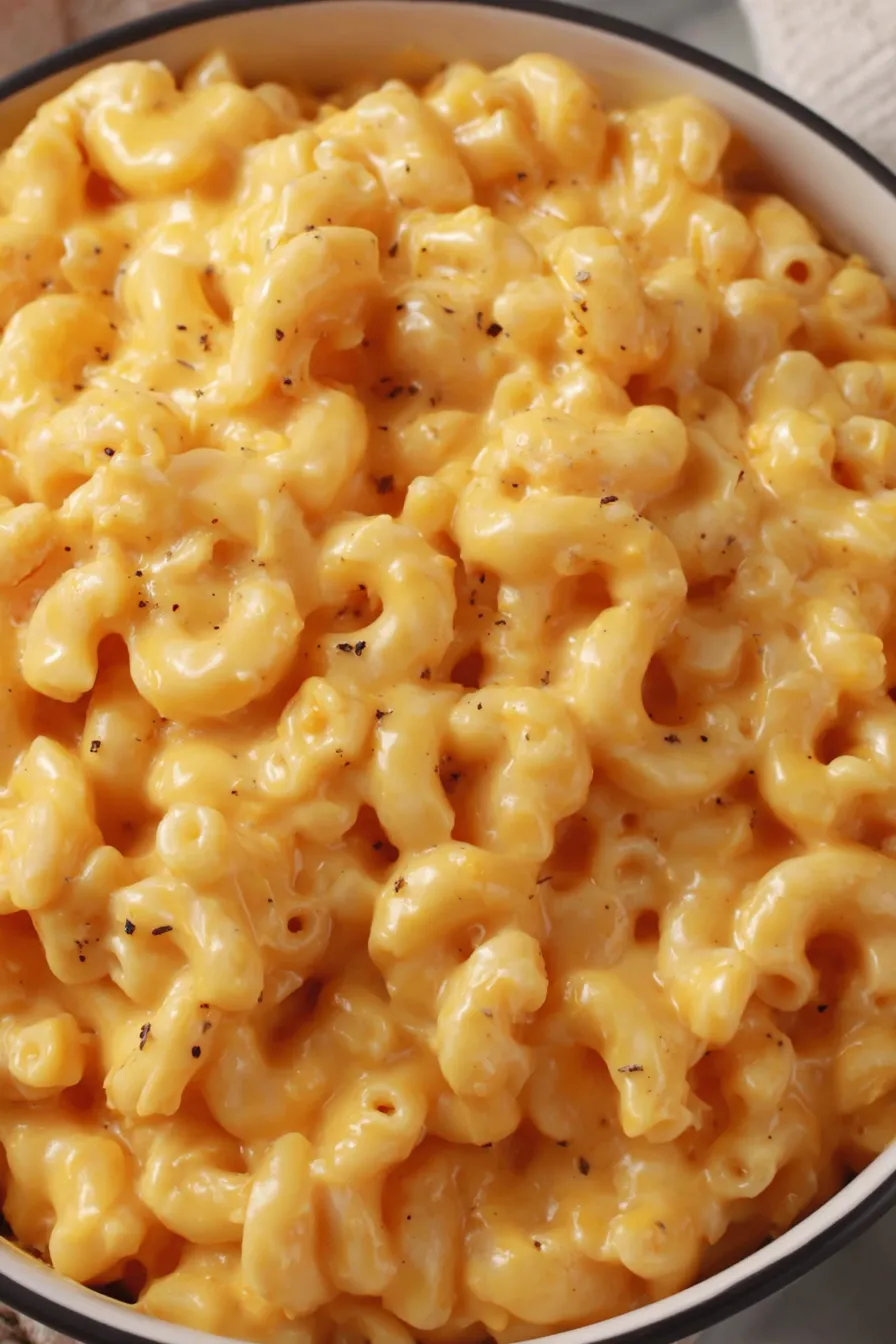
This creamy stovetop mac and cheese is the kind of dish that smells like home before anyone even sits down. I first learned this version in my twenties when I wanted something faster than a baked casserole but with the same comforting bite and richness. It combines familiar pantry staples and a little technique to create a sauce that clings to every elbow of pasta. The texture lands between silky and pillowy: a smooth, slightly saucy finish that still holds its shape on a fork. Whenever I make it, the house fills with cheddar-scented warmth that brings my family to the table within minutes.
I discovered a few small tweaks over time that turned a basic stovetop into this dependable favorite. Using a blend of whole milk and heavy cream gives the sauce body without weighing it down. A touch of cream cheese rounds sharp cheddar and prevents graininess, while a whisper of ground mustard brightens the cheese flavor. It is quick enough for weeknights but comforting enough for weekend gatherings. This recipe has become the dish I bring to potlucks when I want something universally loved and easy to reheat without losing its soul.
Why You'll Love This Recipe
- Ready in roughly 30 minutes from start to finish, perfect for busy weeknights when you want comfort without long prep.
- Uses pantry staples: elbow macaroni, butter, flour, milk, cream, sharp cheddar and cream cheese—ingredients you likely already have on hand.
- Stovetop method skips baking but delivers a sauce that is luxuriously creamy and clings to the pasta for even bites.
- Simple technique—make a roux, add dairy, melt cheese—teaches useful sauce skills you can adapt to other dishes.
- Flexible to mix-ins and toppings so you can dress it up for company or keep it classic for kids.
- Perfect make-ahead options: hold the sauce separate and combine before serving to retain ideal texture.
Over the years this version has become my fallback when I want guaranteed smiles. My neighbors once asked me to bring it to a small fundraiser because everyone kept going back for seconds. Even picky eaters tend to finish their bowls, and I love how easily it stretches to feed a crowd while remaining rich and comforting.
Ingredients
- Elbow macaroni (1 lb): Look for good-quality dry pasta from brands like Barilla or De Cecco; their shape and texture hold sauce well and they cook reliably to al dente.
- Water (4 cups) and Kosher salt (1 tbsp): A small amount of water when cooking this quantity keeps things quick; salt the water well to season the pasta from the inside out.
- Butter (4 tbsp): Use unsalted butter if you want precise control over seasoning; it forms the base of the roux and adds richness.
- All-purpose flour (3 tbsp): Whisked into melted butter to make a roux; this is the thickening agent that gives the sauce body without grit.
- Whole milk (2 cups) and heavy cream (1 cup): The milk gives creaminess while the cream provides silk and stability; avoid skim milk which can make the sauce thin.
- Sharp cheddar (2 1/2 cups, shredded): Choose a good sharp cheddar—aged 1 to 6 months—for bright flavor; shred it yourself for smooth melting (pre-shredded is coated and can be grainy).
- Cream cheese (1/4 cup): Adds stability and a velvety mouthfeel; softened room-temperature cream cheese incorporates easily.
- Ground mustard (1/2 tsp), salt and black pepper: Mustard powder lifts the cheese notes; season to taste with salt and freshly cracked black pepper to balance richness.
Instructions
Boil the pasta: Bring 4 cups of water to a rolling boil in a large pot, add 1 tablespoon kosher salt and the pasta. Cook the elbow macaroni until just al dente—about 7 to 8 minutes depending on brand—so it still has a slight bite. Drain thoroughly and set aside in the pot off the heat to hold. Reserve a few tablespoons of the pasta cooking water if you want to loosen the sauce later. Make the roux: Melt 4 tablespoons of butter in a medium saucepan over medium heat. Add 3 tablespoons of flour and whisk constantly for about 1 to 2 minutes until the mixture bubbles and smells slightly toasty. This step cooks the raw flour flavor out and ensures a smooth finish—do not let the roux brown. Add dairy and thicken: Slowly whisk in 2 cups whole milk and 1 cup heavy cream, starting with a small amount to loosen the roux then gradually adding the rest. Bring to a gentle simmer and continue whisking until the mixture thickens enough to coat the back of a spoon, about 4 to 6 minutes. Keep the heat moderate to prevent scalding and separate fats. Incorporate cheeses: Lower the heat to low and add 2 1/2 cups shredded sharp cheddar and 1/4 cup softened cream cheese in batches, stirring until each addition melts fully. Whisk in 1/2 teaspoon ground mustard and season with salt and freshly ground black pepper to taste. If the sauce seems too thick, whisk in up to 2 tablespoons reserved pasta water to reach desired consistency. Combine pasta and sauce: Fold the drained macaroni into the cheese sauce, stirring gently until every piece is coated. Heat together for 1 to 2 minutes so the pasta warms through and the sauce clings. Serve immediately for the creamiest texture. If you must hold it, remove from heat and stir occasionally; reheat gently with a splash of milk to revive creaminess.
You Must Know
- Texture tip: Shred your own cheddar if possible; pre-shredded cheese often contains anti-caking agents that can prevent smooth melting, causing a grainy sauce.
- Make-ahead: Keep the cooked pasta and sauce separate. Rewarm the sauce gently and fold in pasta just before serving to maintain ideal creaminess.
- Storage: Refrigerate leftovers in an airtight container for up to 3 days; add a splash of milk when reheating to refresh the sauce.
- Freezing: The texture changes after freezing; freeze only if necessary and expect a slightly grainier sauce on thawing, revive with fresh milk and whisking.
My favorite aspect of this method is how forgiving it is: small adjustments like a tablespoon of reserved pasta water or a bit more cream can rescue a sauce that seems too thick. At family dinners this dish became the easy peacekeeper—grandparents and toddlers alike reach for a second helping. The combination of sharp cheddar and a hint of mustard creates a flavor that is nostalgic yet updated, making it feel like a classic you would order at a neighborhood diner.
Storage Tips
Allow the dish to cool slightly before transferring to airtight containers. Refrigerate for up to 3 days; when storing, press a piece of plastic wrap directly onto the surface to reduce skin formation. For best reheating, warm gently on the stove over low heat with a splash of milk or cream, stirring frequently until the sauce loosens. Avoid high heat which can separate the fats and make the texture grainy. If you plan to freeze, portion into freezer-safe containers and freeze for up to 2 months; thaw overnight in the refrigerator before reheating and stir in additional dairy to bring back creaminess.
Ingredient Substitutions
If you need to lighten the recipe, substitute half-and-half for heavy cream and whole milk, though the sauce will be slightly less lush. For a tangier flavor, swap up to half the sharp cheddar for aged white cheddar. To add complexity, fold in a spoonful of Dijon mustard instead of mustard powder. For a lactose-sensitive diet, try lactose-free milk and omit cream cheese—note the texture will be less silky. Gluten-free all-purpose flour or a 1-to-1 gluten-free baking mix can replace the flour to make a gluten-free version; adjust thickness as these flours behave differently.
Serving Suggestions
Serve piping hot in shallow bowls with a crack of black pepper and a scattering of fresh chives for brightness. Pair with crisp roasted vegetables or a simple green salad to cut through richness. For a heartier meal, top with cooked bacon bits or shredded rotisserie chicken. For a crunchy contrast, sprinkle with toasted breadcrumbs or panko browned in butter and broil briefly to form a golden crown. This dish also works beautifully as a bed for braised short ribs or a side at casual gatherings alongside grilled sausages.
Cultural Background
Macaroni and cheese has roots in European pasta-and-cheese casseroles and became an American staple in the 19th century. Thomas Jefferson is often credited with popularizing the dish in the United States after encountering pasta in Europe, and mac and cheese evolved into both home-cooked comfort and convenient boxed versions. This stovetop approach is part of a mid-20th century home-cooking tradition that values speed and simplicity while retaining creamy, cheesy satisfaction. Regional twists across the country add ingredients like cream, breadcrumbs, smoked cheeses or even spicy peppers.
Seasonal Adaptations
In colder months, fold in roasted squash or caramelized onions for depth and seasonal warmth. In summer, lighten the dish with fresh herbs like basil and spring peas, or serve alongside a tomato salad for acidity. During holidays, add nutmeg to the sauce and top with sage-browned butter for an elevated finish. For a spring-ready plate, stir in blanched asparagus tips and a handful of lemon zest to brighten the creamy base.
Meal Prep Tips
For batch cooking, prepare the sauce and pasta separately and store in two containers. Reheat the sauce gently with a splash of milk, then fold in warmed pasta minutes before serving to preserve texture. Portion into single-serving containers for grab-and-go lunches; reheat in a microwave-safe dish with a tablespoon of milk added. Label containers with dates and use within three days. Keep any crunchy toppings in a separate small jar to maintain contrast at time of serving.
There is a particular joy in serving something familiar and perfectly executed: a bowl of this creamy stovetop mac and cheese brings comfort and contentment, whether you are feeding family after soccer practice or hosting friends for a casual night in. Make it your own, and enjoy the smiles it inevitably creates.
Pro Tips
Shred cheese from a block for best melting characteristics; pre-shredded cheese often contains anti-caking agents that hinder smoothness.
Temper the roux with milk slowly and keep the heat moderate to prevent separation or scorching of dairy.
Reserve a few tablespoons of pasta water to adjust sauce consistency and restore silkiness if the sauce tightens.
Soften cream cheese at room temperature for easier incorporation to avoid lumps.
This nourishing creamy stovetop mac and cheese with old-school comfort recipe is sure to be a staple in your kitchen. Enjoy every moist, high protein slice — it is perfect for breakfast or as a wholesome snack any time.
FAQs about Recipes
Why does my cheese sauce turn grainy?
Yes. To avoid grainy texture, shred cheese yourself and add it off the heat over low temperature, stirring until melted. A small splash of reserved pasta water can help smooth the sauce.
How long will leftovers keep?
Yes—store in an airtight container in the refrigerator for up to 3 days. Reheat gently on the stove with a splash of milk, stirring until smooth.
Tags
Creamy Stovetop Mac and Cheese with Old-School Comfort
This Creamy Stovetop Mac and Cheese with Old-School Comfort recipe makes perfectly juicy, tender, and flavorful steak every time! Serve with potatoes and a side salad for an unforgettable dinner in under 30 minutes.
Ingredients
Pasta
Roux and Liquids
Cheeses and Seasoning
Instructions
Boil the pasta
Bring 4 cups water to a boil in a large pot, add 1 tablespoon kosher salt and the pasta. Cook until just al dente, about 7 to 8 minutes. Drain and set aside. Reserve a few tablespoons of pasta water to adjust sauce if needed.
Make the roux
Melt 4 tablespoons butter in a medium saucepan over medium heat. Whisk in 3 tablespoons flour and cook for 1 to 2 minutes until fragrant and slightly bubbly; do not brown.
Add milk and cream
Slowly whisk in 2 cups whole milk and 1 cup heavy cream, starting with a small amount to loosen the roux. Bring to a gentle simmer, whisking until the sauce thickens and coats the back of a spoon, about 4 to 6 minutes.
Melt the cheeses
Lower heat to low and add 2 1/2 cups shredded sharp cheddar and 1/4 cup softened cream cheese in batches, stirring until smooth. Stir in 1/2 teaspoon ground mustard and season with salt and pepper.
Combine pasta and sauce
Fold drained macaroni into the cheese sauce and stir until evenly coated. Heat together for 1 to 2 minutes so pasta warms through. Serve immediately for best texture.
Last Step: Please leave a rating and comment letting us know how you liked this recipe! This helps our business to thrive and continue providing free, high-quality recipes for you.
Nutrition
Did You Make This?
Leave a comment & rating below or tag
@yumelle on social media!
Categories:
You might also like...
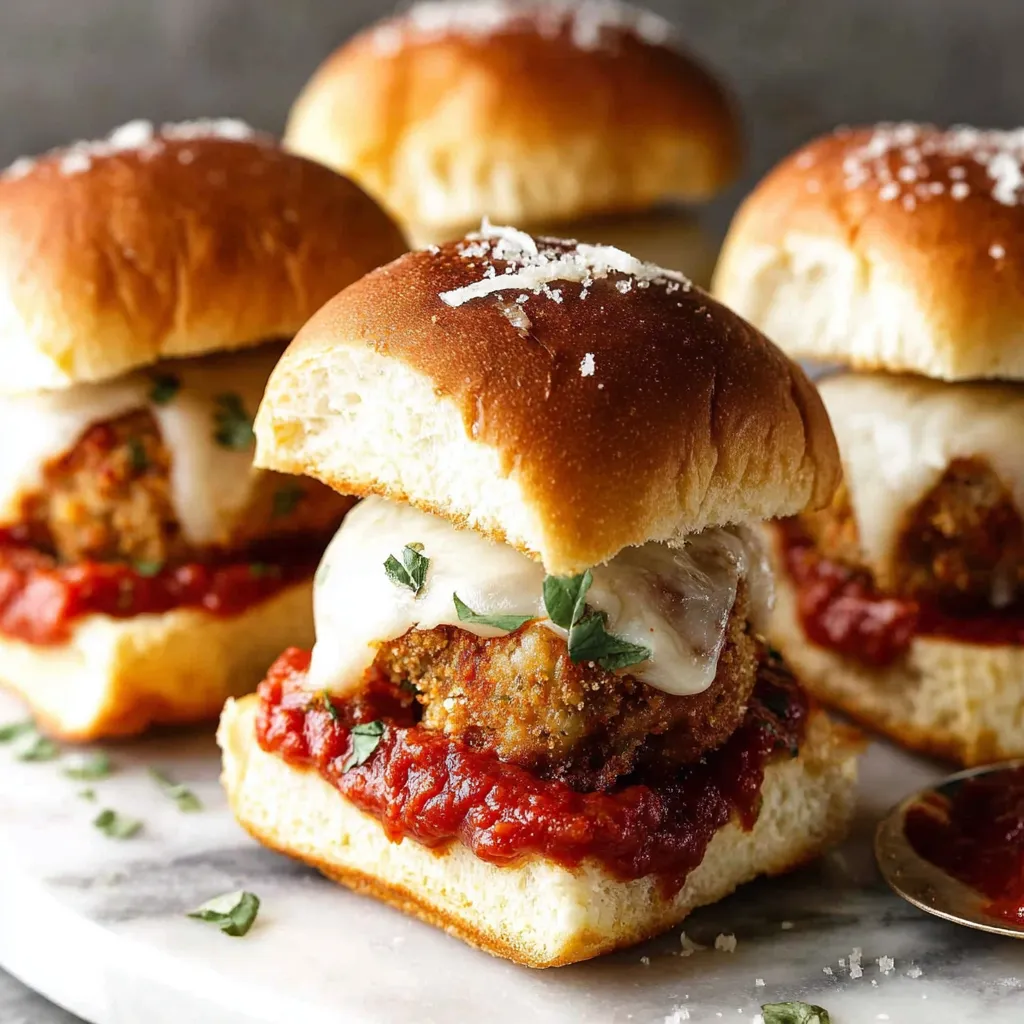
Chicken Parmesan Meatball Sliders
Juicy chicken meatballs baked with Parmesan and herbs, spooned with marinara, and covered in melty mozzarella on toasted slider rolls. Irresistible for parties.

Spooky Spaghetti Monster Meatballs
Twirl eerie-colored spaghetti and top it with gooey, cheese-stuffed monster meatballs complete with olive eyes for a delightfully spooky family dinner.

10-Minute Egg Drop Soup
Silky egg ribbons swirl through savory chicken broth, scented with sesame and scallions. Simple pantry staples, ready in just 10 minutes.
Did You Make This?
Leave a comment & rating below or tag @yumelle on social media!
Rate This Recipe
Share This Recipe
Enjoyed this recipe? Share it with friends and family, and don't forget to leave a review!
Comments (1)
This recipe looks amazing! Can't wait to try it.
Comments are stored locally in your browser. Server comments are displayed alongside your local comments.

Hi, I'm Hannah!
What's Popular
30-Minute Meals!
Join to receive our email series which contains a round-up of some of our quick and easy family favorite recipes.