>>

Silky, tangy hummus made with canned chickpeas and tahini—an easy, make-ahead dip perfect for snacks, parties, and weeknight spreads.
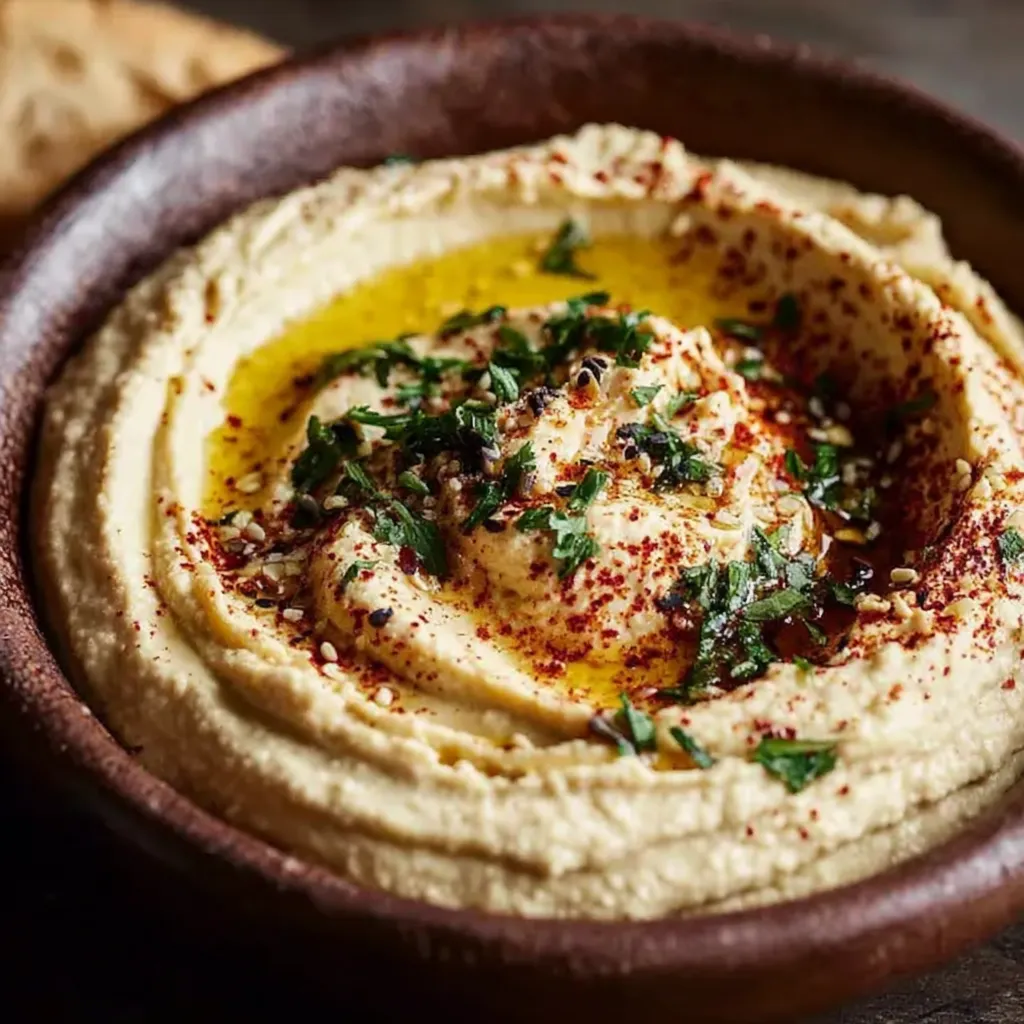
This creamy hummus has been my go-to for last-minute guests and lazy Sunday snacks. I first perfected this version on a rainy afternoon when I had only a can of chickpeas and a jar of tahini in the pantry. What started as emergency cooking turned into a staple: the texture is luxuriously smooth, the lemon brightens every bite, and a little aquafaba or water whips it to the exact spreadable consistency I crave. It’s reliably crowd-pleasing—families, picky eaters, and guests all reach for seconds.
What makes this iteration special is the balance between simplicity and technique. Using canned chickpeas keeps it fast, but a couple of small tricks—rinsing well, blitzing the tahini briefly with lemon, and resting the dip—turn ordinary ingredients into something that tastes like you simmered it for hours. The first time I brought it to a backyard potluck I heard several people ask if I’d used specialty store-bought hummus; they were surprised it came together in under 15 minutes.
On a personal note, this hummus became our holiday appetizer when a neighbor dropped off freshly baked pita. The two together were a tiny celebration—simple ingredients, big smiles. I often double the batch and stash some in the fridge for weekday lunches; it stretches across salads, sandwiches, and veggie platters.
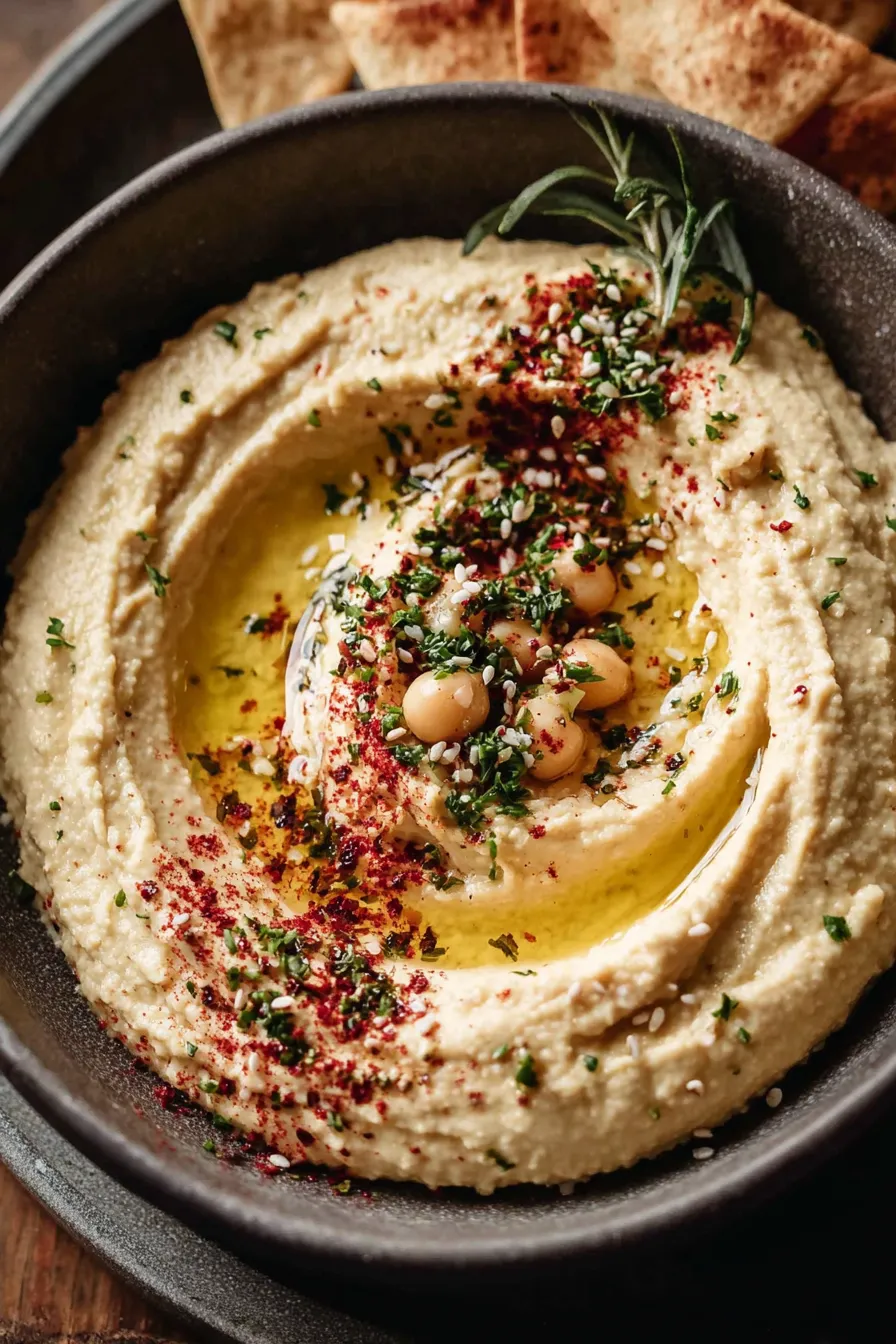
What I love most is how versatile this spread is: I’ll scoop it with crudités for an afternoon snack, slather it on sandwiches for weekday lunches, or offer it at parties as a centerpiece dip. Guests often ask for the exact proportions, and I tell them the magic is in the lemon-tahini emulsion and the patient blending.
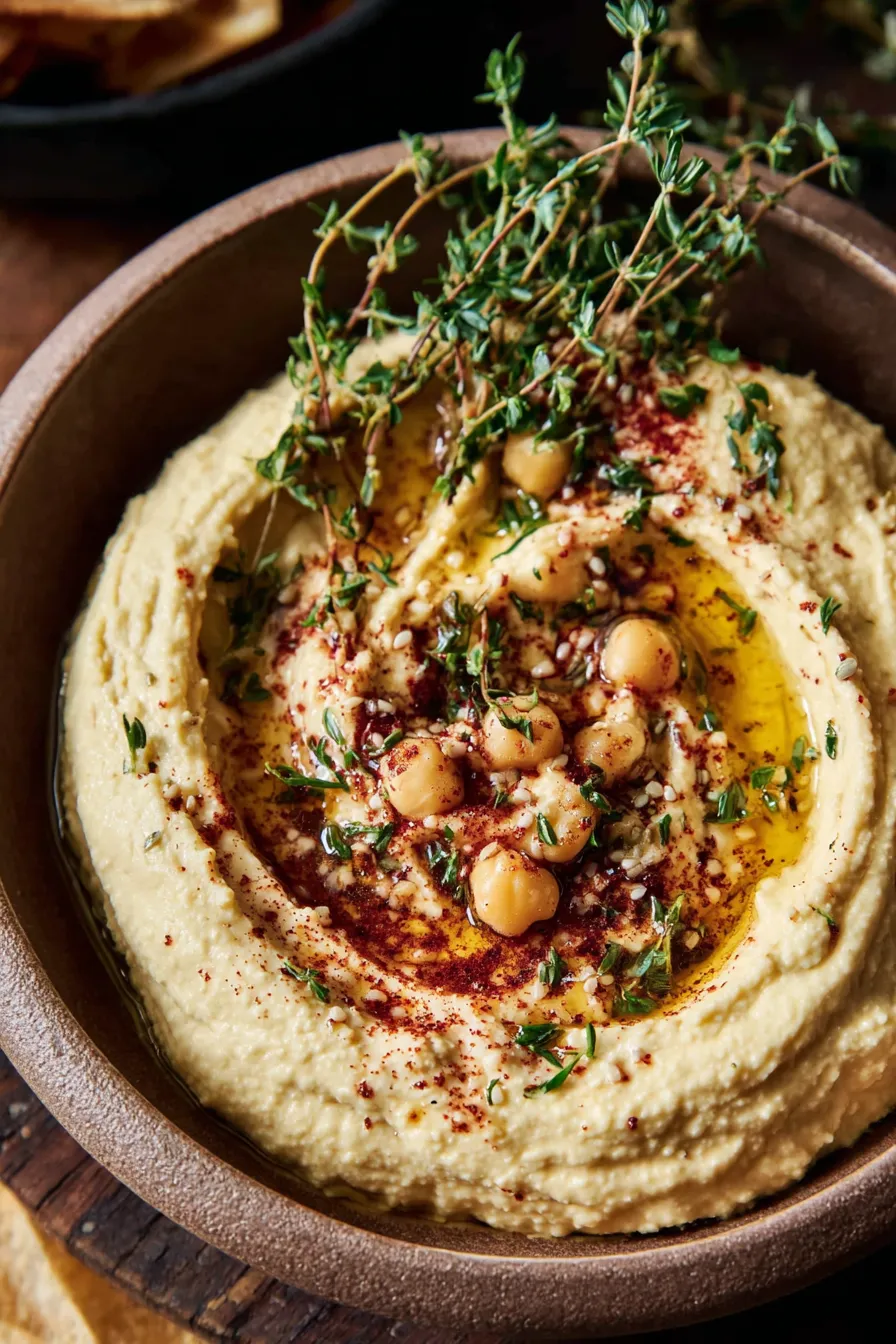
Store in a shallow airtight container to cool quickly and keep the surface from drying. Refrigerated hummus lasts up to 5 days; for longer storage, divide into freezer-safe containers and freeze up to 3 months. When freezing, leave a little headspace for expansion and drizzle a thin layer of olive oil on top to protect from freezer air. To thaw, move to the fridge overnight and bring to room temperature for 30 minutes before serving; stir vigorously to re-emulsify the oil and water.
If you don’t have tahini, substitute 3 tablespoons of smooth peanut butter or almond butter for a nutty twist—note the flavor will change. Swap aquafaba with cold water or unsweetened plain yogurt if not keeping it vegan. For garlic-sensitive eaters, roast one garlic clove for a mild, caramelized sweetness; reduce lemon by a teaspoon if using yogurt. Swap cumin for smoked paprika for a different aromatic profile or add a tablespoon of plain Greek yogurt for extra creaminess (non-vegan).
Present in a shallow bowl with a swirl to hold a drizzle of olive oil. Garnish with a sprinkle of smoked paprika, toasted pine nuts, chopped parsley, or za’atar. Serve alongside warm pita, pita chips, or an assortment of raw vegetables such as carrot sticks, cucumber rounds, and bell pepper strips. It also pairs beautifully with grilled meats, as a base for roasted vegetables, or spread on flatbreads topped with roasted tomatoes and feta for a casual meal.
Hummus has deep roots across the Eastern Mediterranean and Levant, with variations in Israel, Lebanon, Syria, Palestine, and beyond. Traditionally, it celebrates simple, high-quality ingredients—chickpeas, tahini, lemon, and olive oil—that reflect the region’s agricultural staples. Over generations, each area adapted the dip, adding local spices, toppings, or pairing it with regional breads. Its enduring popularity stems from being both nourishing and social: a communal dish meant to be shared.
Summer calls for bright herb hummus: add a handful of basil or cilantro for a fresh twist. In autumn, fold in roasted pumpkin or caramelized onions for a cozy variation. Around holidays, mix in roasted red peppers, sun-dried tomatoes, or a swirl of harissa for warmth and color. For a festive spread, plate a trio of flavors—classic, beet, and roasted garlic—so guests can sample contrasting profiles.
Double or triple the batch and portion into 1/2-cup containers for grab-and-go snacks and lunches. Keep a jar of extra tahini and lemons on hand—fresh lemon juice is a simple way to revive stored hummus. If planning ahead, make the hummus a day before serving; the resting time allows the flavors to marry and the lemon to deepen, resulting in a more rounded profile.
In the end, this creamy hummus is about more than convenience—it's a tiny ritual of flavor that turns pantry staples into something memorable. Make it yours by experimenting with garnishes and pairings, and don’t be afraid to adjust acidity and salt to suit your palate. Share it, spoon it, and enjoy the little moments it creates.
Rinse and drain the chickpeas well to remove excess canning brine for a cleaner flavor.
Blend tahini with lemon juice before adding chickpeas to prevent a grainy texture.
Add water or aquafaba gradually while processing to control consistency precisely.
Let the hummus rest for at least 30 minutes in the refrigerator to allow flavors to marry.
This nourishing creamy hummus recipe is sure to be a staple in your kitchen. Enjoy every moist, high protein slice — it is perfect for breakfast or as a wholesome snack any time.
Yes—store in an airtight container in the fridge for up to 5 days. For longer storage, freeze in portioned containers for up to 3 months.
Aquafaba gives a lighter, whipped texture. Use 3 to 4 tablespoons in place of water if you want a fluffier finish.
This Creamy Hummus recipe makes perfectly juicy, tender, and flavorful steak every time! Serve with potatoes and a side salad for an unforgettable dinner in under 30 minutes.
Drain the 15-ounce can and rinse the chickpeas under cold running water for about 30 seconds to remove canning brine and improve flavor and texture.
In a food processor, blend 1/4 cup tahini with 1/4 cup fresh lemon juice for 20 to 30 seconds until slightly lightened and creamy to prevent graininess later.
Add rinsed chickpeas, 2 cloves garlic, 2 tablespoons olive oil, 1/2 teaspoon ground cumin, and 1/2 teaspoon kosher salt. Pulse until a coarse paste forms, scraping down sides as needed.
With the processor running, slowly add 3 to 4 tablespoons water or aquafaba until the desired smooth, spreadable consistency is reached. Taste and adjust salt and lemon as required.
Transfer to a serving bowl, drizzle with extra virgin olive oil, sprinkle paprika if desired, and refrigerate at least 30 minutes to let flavors meld before serving.
Last Step: Please leave a rating and comment letting us know how you liked this recipe! This helps our business to thrive and continue providing free, high-quality recipes for you.
Leave a comment & rating below or tag
@yumelle on social media!

Juicy chicken meatballs baked with Parmesan and herbs, spooned with marinara, and covered in melty mozzarella on toasted slider rolls. Irresistible for parties.

Twirl eerie-colored spaghetti and top it with gooey, cheese-stuffed monster meatballs complete with olive eyes for a delightfully spooky family dinner.

Silky egg ribbons swirl through savory chicken broth, scented with sesame and scallions. Simple pantry staples, ready in just 10 minutes.
Leave a comment & rating below or tag @yumelle on social media!
Enjoyed this recipe? Share it with friends and family, and don't forget to leave a review!
This recipe looks amazing! Can't wait to try it.
Comments are stored locally in your browser. Server comments are displayed alongside your local comments.

Join to receive our email series which contains a round-up of some of our quick and easy family favorite recipes.