>>

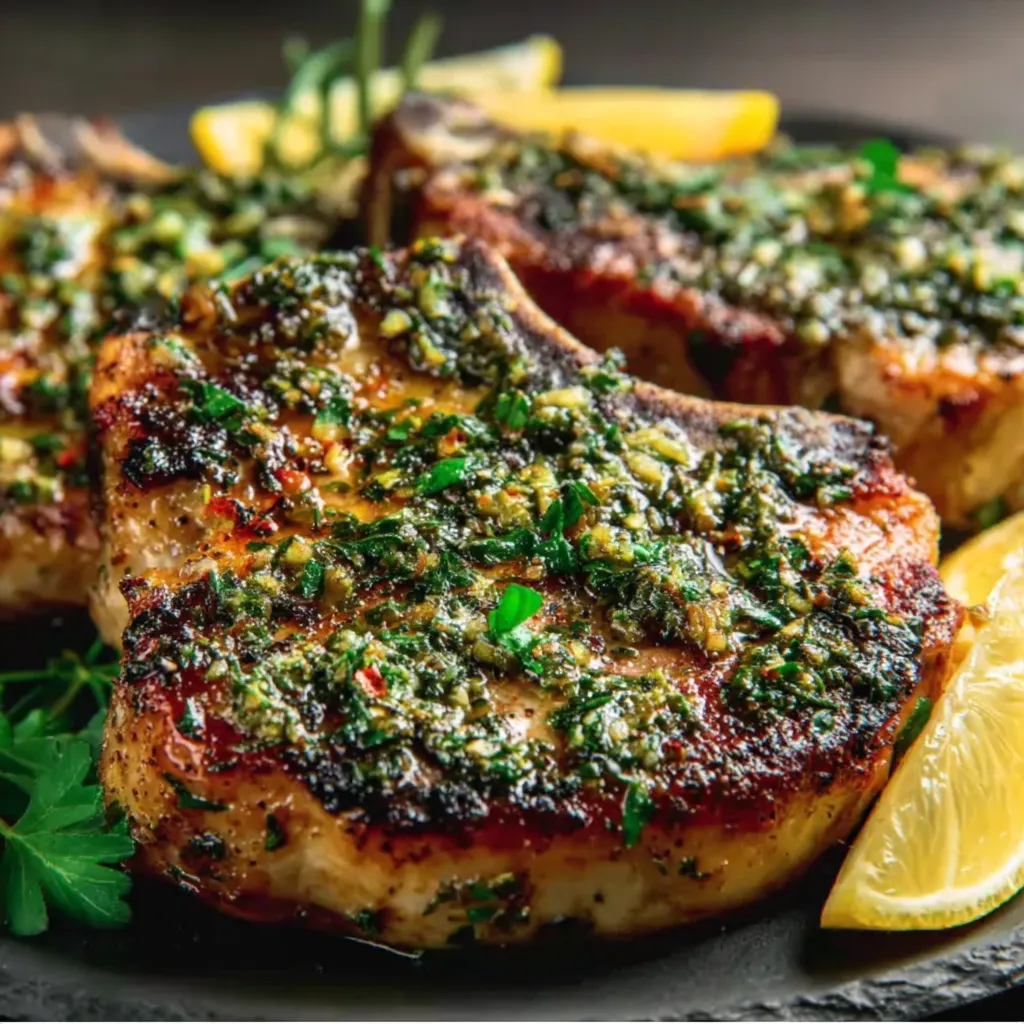
A quick, glaze-kissed arctic char that balances sweet brown sugar and tangy Dijon for an elegant weeknight or celebration plate.
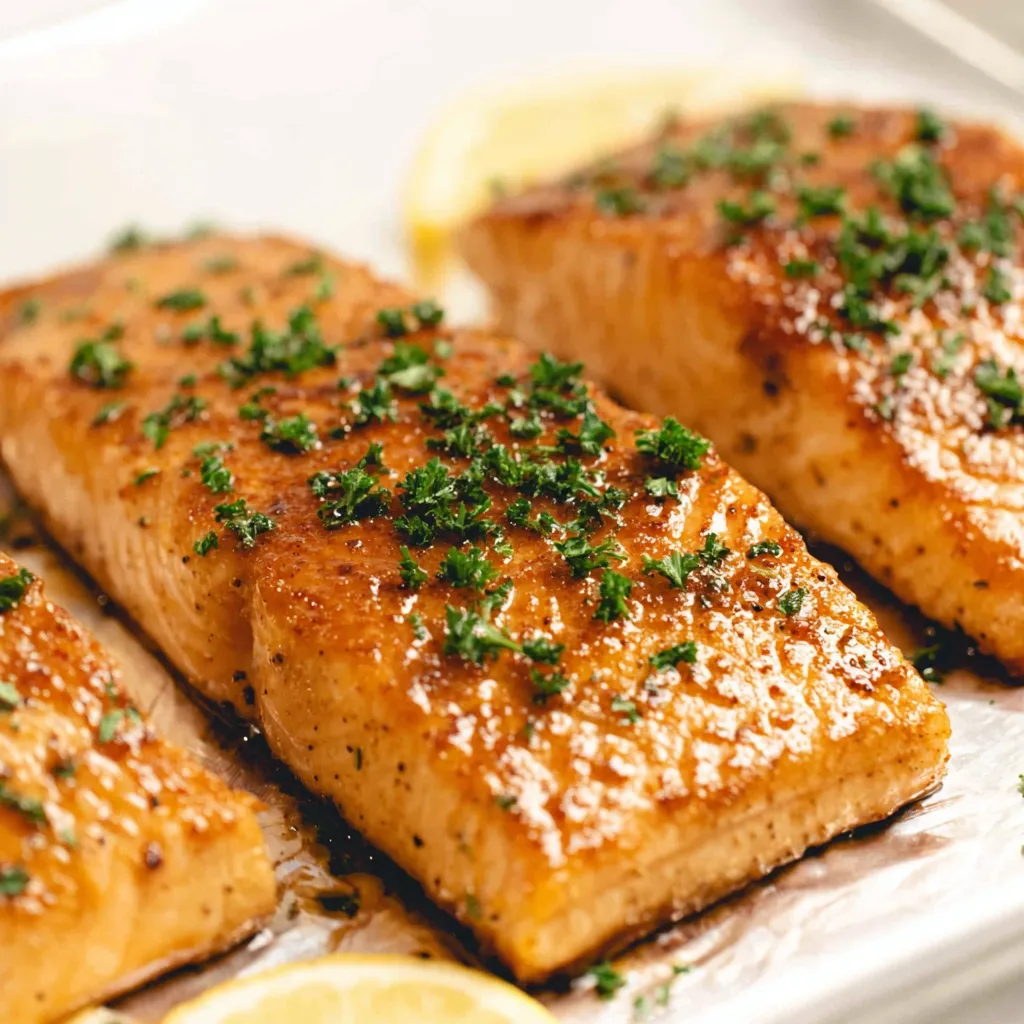
This Brown Sugar Dijon Arctic Char became a fast favorite in my kitchen the first winter I tested it. I remember buying a pack of arctic char on sale and wanting something that felt special but could be ready in under 30 minutes. The sweet-salty glaze with a hit of bright lemon and the warm depth of brown sugar was the answer: simple, impressive, and reliably delicious. Every time I serve it, the dining table perks up with questions about the glaze—friends and family love how it caramelizes just enough while keeping the fish tender.
I learned a couple of small tricks while perfecting this: patting the fillets completely dry makes the glaze stick better, and watching the baking time closely prevents drying out. The texture of arctic char is somewhere between salmon and trout — a silky, slightly firm flesh that flakes beautifully when cooked just right. It’s forgiving, fast, and makes an elegant main without demanding hours or complicated techniques. If you want a weeknight dish that looks like you spent more time than you did, this is your go-to.
In my experience, this dish always feels like a tiny celebration. When I first served it for a small dinner, my sibling commented it tasted restaurant-level without the fuss. I enjoy how forgiving it is—if you slightly underbake, the fish stays silky; if you go a touch longer, it still flakes nicely thanks to the short bake time.
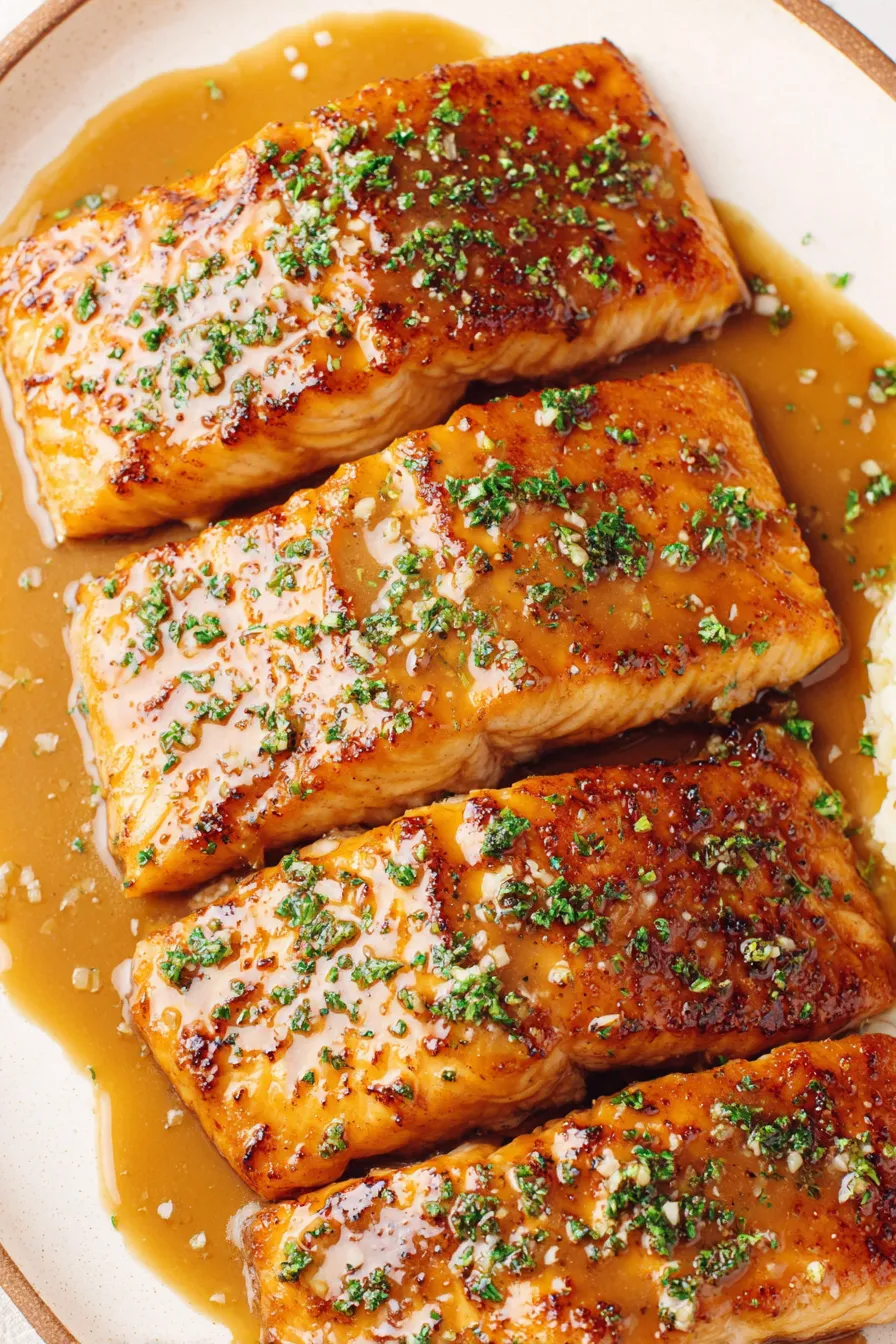
My favorite aspect of this dish is how reliably it pleases a crowd. At a small holiday gathering, I doubled the batch and everyone still commented on how perfectly balanced the glaze was—sweet but not cloying, bright but not sharp. It’s become my fallback when I want something celebratory but not fussy.
Cool leftover fillets to room temperature no longer than two hours, then refrigerate in an airtight container for up to 48 hours. For longer storage, wrap each fillet tightly in plastic wrap, then aluminum foil and freeze for up to three months. When thawing, move to the refrigerator overnight; reheat gently in a low oven (300°F) covered with foil for best texture. If you plan to use the fish frozen for salads, it’s fine to defrost and flake cold, which retains moisture better than aggressive reheating.
If you don’t have arctic char, salmon or trout make excellent stand-ins—adjust bake time slightly based on thickness. Substitute maple syrup or honey for brown sugar (use about 3 tablespoons) for a different sweet profile, though the glaze will be runnier so brush on sparingly. If Dijon isn’t available, use yellow mustard mixed with a small splash of white wine vinegar to mimic its tang. For a low-sugar option, swap brown sugar for a natural sweetener like monk fruit sweetener designed for baking, though the caramelization will be less pronounced.
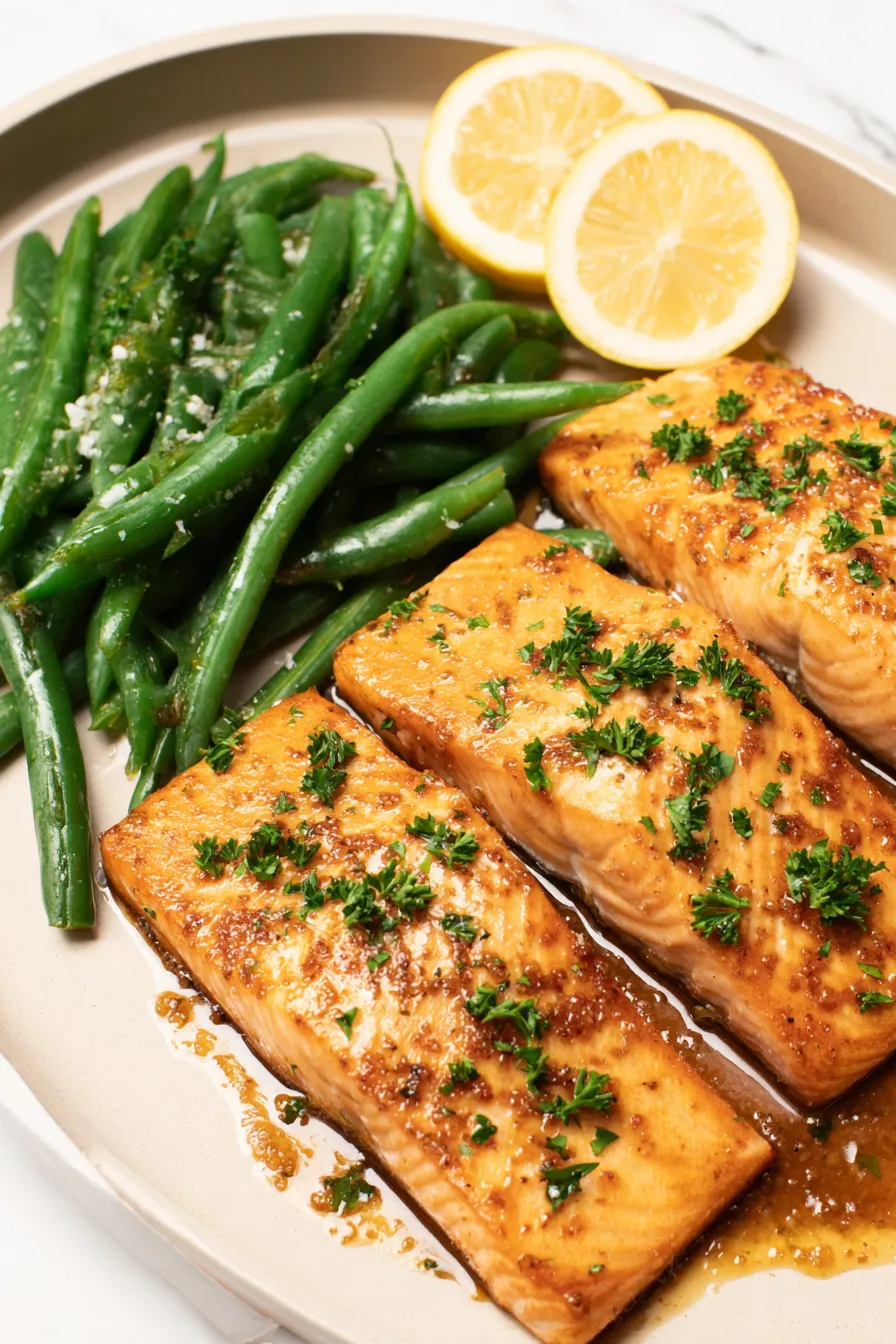
Serve the fillets with lemon wedges and a simple herb salad dressed lightly with olive oil and lemon. Oven-roasted baby potatoes or a creamy parsnip mash make comforting companions; for a lighter plate, pair with steamed asparagus or a warm farro salad tossed with chopped herbs. Garnish with finely chopped parsley or chives and a few twists of freshly cracked black pepper for an elegant finish. Leftover flaked fish is fantastic over butter lettuce or in open-faced sandwiches.
Arctic char is a cold-water fish closely related to salmon and trout, native to northern lakes and coastal waters. Its milder flavor than salmon makes it ideal for simple glazes and gentle cooking methods that highlight its silky texture. Sweet-and-tangy glazes are common across many culinary traditions, pairing sugar with mustard or citrus to create contrast; this combination feels modern and approachable while echoing classic glaze techniques used in European and North American kitchens.
In spring and summer, add chopped fresh dill and a splash of cucumber-yogurt salad on the side for brightness. In autumn, swap parsley for chopped tarragon and serve alongside roasted root vegetables to complement the warm sweetness of the glaze. For winter holidays, add a pinch of smoked paprika or a little orange zest to the glaze to introduce festive depth without overwhelming the fish.
Make the glaze up to 24 hours ahead and refrigerate in a covered container. Portion fillets onto a tray lined with parchment and cover lightly; keep refrigerated until ready to bake. If you're prepping for multiple meals, bake a tray of fillets and store single portions in portion-sized containers—use within two days. For grab-and-go lunches, flake cold onto a grain bowl with arugula, roasted sweet potato cubes, and a drizzle of olive oil.
There’s simple pleasure in serving something that feels thoughtful yet takes little time—this arctic char hits that sweet spot. Try it with seasonal sides, tinker with the glaze to make it your own, and don’t be afraid to serve it even on the busiest of nights. Enjoy the bright, caramelized flavors and the ease of a dish that becomes a reliable favorite.
Pat fillets completely dry before applying the glaze so it adheres and caramelizes evenly.
Check bake time at the 10-minute mark for thinner fillets to prevent overcooking; thicker fillets may need up to 15 minutes.
If you want crisp skin, quickly sear skin-side down in a hot skillet before applying the glaze and baking.
Use fresh lemon juice for brightness—bottled lemon will dull the final flavor profile slightly.
This nourishing brown sugar dijon arctic char recipe is sure to be a staple in your kitchen. Enjoy every moist, high protein slice — it is perfect for breakfast or as a wholesome snack any time.
Check for flakiness with a fork and aim for an internal temperature of 145°F at the thickest point.
Yes—refrigerate in an airtight container up to 48 hours or freeze tightly up to 3 months.
Yes, use salmon or trout as substitutes and adjust baking time depending on thickness.
This Brown Sugar Dijon Arctic Char recipe makes perfectly juicy, tender, and flavorful steak every time! Serve with potatoes and a side salad for an unforgettable dinner in under 30 minutes.
Preheat the oven to 400°F and move the rack to the top third. Line a baking sheet with foil and spray lightly with cooking spray. Pat fish dry with paper towels and place skin-side down on the sheet.
Whisk together 1 tablespoon Dijon mustard, 1/4 cup brown sugar, 2 teaspoons lemon juice, 1/2 teaspoon garlic powder, and a pinch of salt and pepper in a small bowl until smooth and spreadable.
Spread the glaze evenly over the top of each fillet. Bake uncovered for 10–15 minutes, checking at 10 minutes for fillets about 1/2 inch thick. Fish is done when it flakes easily and reaches 145°F.
Remove from oven and rest 1–2 minutes. Sprinkle with chopped parsley and finish with extra salt and pepper if desired. Slide the skin off if you prefer not to serve it.
Last Step: Please leave a rating and comment letting us know how you liked this recipe! This helps our business to thrive and continue providing free, high-quality recipes for you.
Leave a comment & rating below or tag
@yumelle on social media!
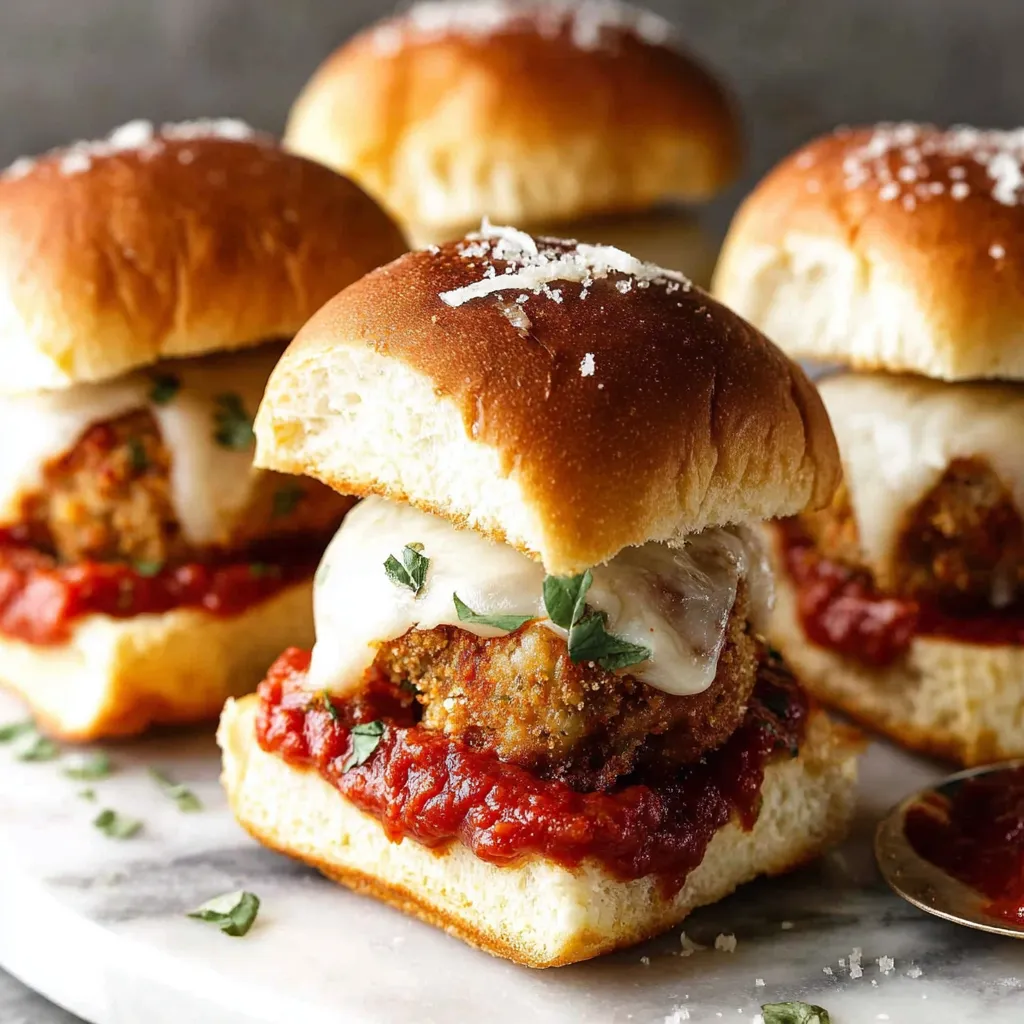
Juicy chicken meatballs baked with Parmesan and herbs, spooned with marinara, and covered in melty mozzarella on toasted slider rolls. Irresistible for parties.
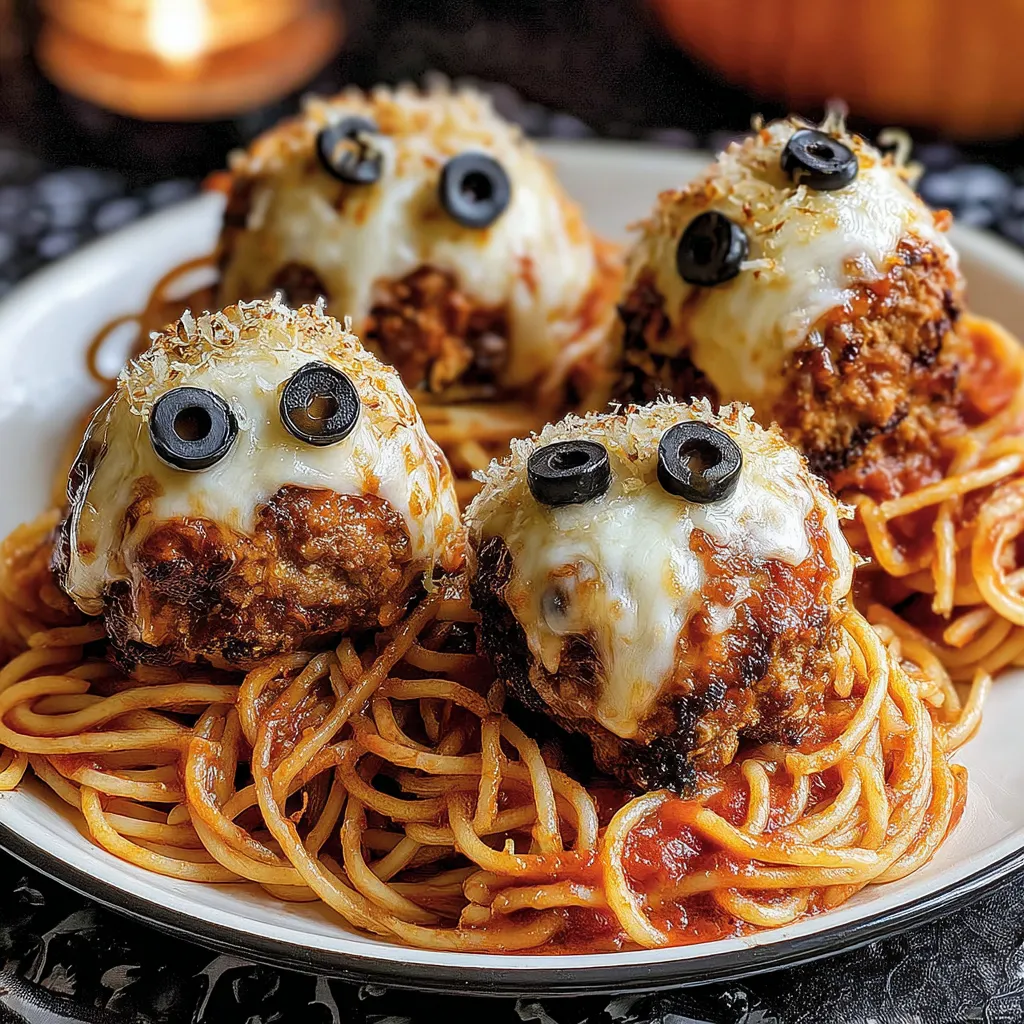
Twirl eerie-colored spaghetti and top it with gooey, cheese-stuffed monster meatballs complete with olive eyes for a delightfully spooky family dinner.

Silky egg ribbons swirl through savory chicken broth, scented with sesame and scallions. Simple pantry staples, ready in just 10 minutes.
Leave a comment & rating below or tag @yumelle on social media!
Enjoyed this recipe? Share it with friends and family, and don't forget to leave a review!
This recipe looks amazing! Can't wait to try it.
Comments are stored locally in your browser. Server comments are displayed alongside your local comments.

Join to receive our email series which contains a round-up of some of our quick and easy family favorite recipes.